
Tretinoin remains one of dermatology’s most powerful anti-aging and acne-fighting tools, but not all formulations are created equal. We’ve compiled expert rankings from leading dermatologists to help you understand which tretinoin options deliver the best results in 2026.
Advertisement
#1: Retin-A Micro (Tretinoin Microsphere)

You’ll find this encapsulated formulation at the top of many specialists’ lists because it reduces irritation while maintaining potency. The microsphere technology releases tretinoin gradually into your skin, making it ideal if you’re just starting your retinoid journey. Dermatologists consistently praise it for delivering visible results in 8–12 weeks without excessive peeling or redness that newer patients often experience.
#2: Tretinoin 0.025% Cream (Generic formulations)

Don’t overlook generic tretinoin—dermatologists rank it highly for delivering clinical-grade results at a fraction of branded costs. You’re getting the same active ingredient in a reliable emollient base, making it perfect if your skin tolerates cream-based products well. Many experts recommend it as the starting point for patients with sensitive or dry skin types.
#3: Tretinoin 0.05% Gel (Lightweight formulation)

If you prefer a lighter texture that absorbs quickly, you’ll appreciate why top dermatologists rank gel formulations highly for acne-prone and oily skin. The gel base penetrates faster than creams, delivering tretinoin to target zones without a heavy residue. You can expect noticeable acne improvement within 4–6 weeks, though sensitivity management remains important.
Advertisement
#4: Tretin-X (Tretinoin 0.1% Cream)

You’ll encounter this prescription option when you’re ready to graduate to stronger concentrations—and dermatologists respect its efficacy for advanced aging concerns. The 0.1% strength targets fine lines and skin texture with serious potency, but it demands a disciplined tolerance-building schedule. Experts typically recommend it for patients with at least six months of tretinoin experience under their belt.
#5: Tretinoin Liquid 0.05% (Solution formula)

This liquid formulation ranks high among dermatologists who treat patients wanting faster absorption and minimal feel-on-skin sensations. You apply it like a toner before moisturizer, and it dries completely invisible. Specialists note it’s particularly useful for back acne and body treatments where occlusion isn’t practical.
#6: Tretinoin 0.025% Gel (Entry-level strength)

You’ll often find dermatologists recommending this as the gentlest prescription-strength retinoid for first-time users and sensitive skin types. The gel base combined with lower concentration minimizes initial irritation while still triggering collagen production and cell turnover. Expect a gradual learning curve—start with twice-weekly application and adjust upward as tolerance builds.
Advertisement
#7: Tretinoin Microsphere 0.04% (Extended-release compound)

Dermatologists increasingly rank this newer microsphere option for its superior tolerability profile and sustained-release mechanism. You benefit from steady tretinoin delivery that minimizes the weekend peeling and redness associated with stronger formulations. Clinical data shows comparable results to 0.1% cream with significantly less irritation, making it ideal if you’re balancing efficacy with comfort.
#8: Tretinoin 0.1% Liquid (Professional-grade strength)
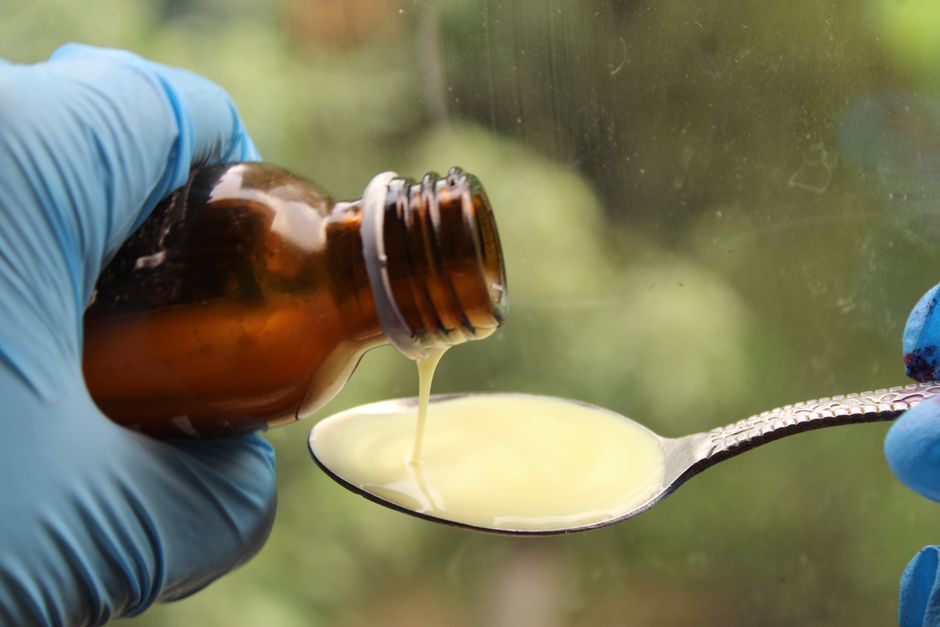
You’ll only encounter this prescription option if you’re an experienced tretinoin user seeking maximum potency—and experts rank it accordingly for advanced anti-aging demands. The liquid delivery system ensures rapid penetration, but the high concentration demands expert application and strict sun protection. Dermatologists reserve this for patients demonstrating proven tolerance and commitment to proper usage protocols.
Your ideal tretinoin depends on your skin type, tolerance level, and specific concerns. Always consult a dermatologist to find the formulation and strength that’s right for your skin journey.
Advertisement