
Medical bills can drain your savings faster than you'd expect, but most people never discover the hidden strategies that insurance companies and hospitals don't advertise. Learn the eight counterintuitive moves that could cut your healthcare costs in half while keeping you just as healthy.
Advertisement
#1: Ask for an Itemized Bill and Audit It

You'd be shocked how often hospitals bill you for services you never received or charge you twice for the same procedure. Request an itemized bill after any visit or procedure—not a summary—and review every line item carefully. For example, you might spot a charge for a surgical tool that wasn't actually used, or a duplicate lab test. Many people find errors within minutes, and hospitals often forgive charges when caught. This takes minimal effort but can save hundreds or thousands.
#2: Use Urgent Care Instead of the ER

A trip to the emergency room can cost five to ten times more than visiting an urgent care clinic for the same condition. If you have a sprained ankle, minor infection, or cut that needs stitches, urgent care is designed exactly for that and won't drain your wallet. The only time you need the ER is for true emergencies like chest pain or severe trauma. Know the difference, and you'll avoid surprise bills that feel like a punishment for getting sick.
#3: Choose Generic Medications Over Brand Names

Brand-name drugs cost significantly more than their generic equivalents, even though the FDA requires them to have the same active ingredients and effectiveness. Ask your doctor or pharmacist if a generic version is available for any prescription—most of the time it is. A month's supply of a brand-name antidepressant might cost $150, while the generic version costs $15. This simple swap requires just one conversation but compounds into massive savings over time, especially for chronic conditions.
Advertisement
#4: Negotiate Your Medical Bills Directly

Hospitals and doctors expect negotiation on medical bills—it's standard practice, though few patients realize it. If you receive a bill you can't afford, call the billing department and ask what discounts or payment plans they offer. Uninsured patients often qualify for financial assistance programs, and even insured patients can request a reduction. One patient negotiated a $3,000 surgery bill down to $1,200 by simply asking. It's uncomfortable, but hospitals would rather accept partial payment than send you to collections.
#5: Get Preventive Care Covered for Free

Your insurance covers preventive screenings and vaccines at no cost—blood pressure checks, mammograms, colonoscopies, and flu shots are all included. Many people skip these because they don't realize they're free, then end up paying thousands when a preventable disease is caught late. Schedule your annual wellness visit and age-appropriate screenings; catching high cholesterol or early diabetes now saves you from expensive treatment later. Prevention is always cheaper than treatment, and your insurance already pays for it.
#6: Use Telehealth for Non-Emergency Visits

Video consultations with doctors cost a fraction of in-person visits and are perfect for colds, allergies, skin rashes, and prescription refills. A telehealth appointment might cost $40 to $100, while an urgent care visit averages $150 to $300 without insurance. Most insurers cover telehealth at the same rate as in-person visits, making it a no-brainer for minor issues. You also save gas money and time off work, which adds up when you're managing multiple health concerns.
Advertisement
#7: Choose In-Network Providers and Facilities
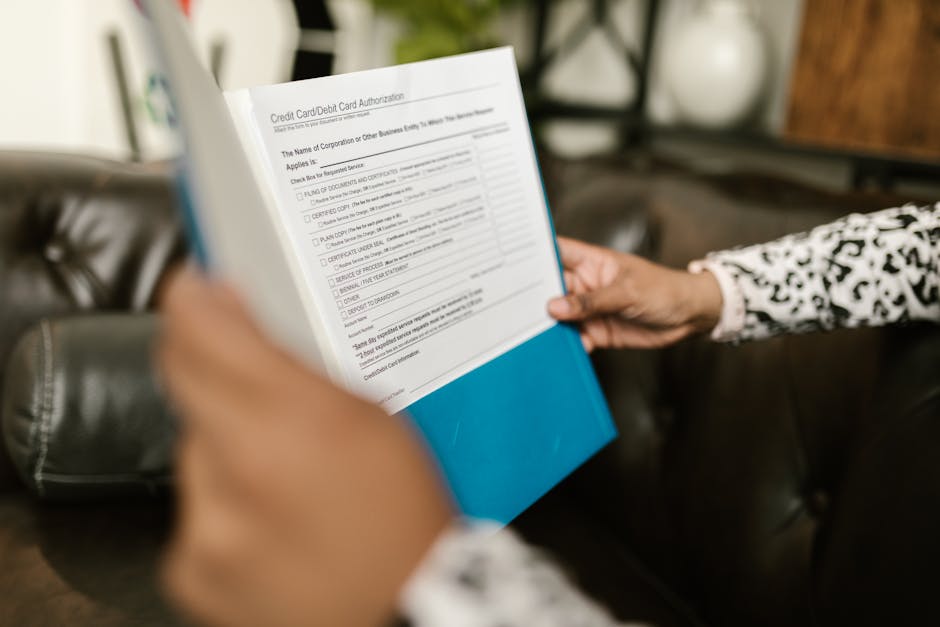
Going out of network can double or triple your costs because you lose your insurance's negotiated rates. Before scheduling any procedure or specialist visit, call your insurance and confirm the provider is in-network. If you need surgery, ask if the hospital and surgeon are both in-network—sometimes the surgeon is in-network but the facility isn't, leaving you with surprise out-of-network charges. Spending five minutes on verification calls prevents bills that could cost thousands of dollars.
#8: Compare Prices for Elective Procedures and Tests

Healthcare prices vary wildly depending on where you go—the same MRI might cost $600 at one facility and $2,000 at another. For non-urgent procedures, imaging, or lab work, call around and ask for cash prices, which are often lower than insurance rates. Some websites let you search procedure costs in your area. If you need a routine colonoscopy or joint imaging, investing an hour in price shopping could save you hundreds. You wouldn't buy a car without comparing prices—apply the same logic to healthcare.
Healthcare doesn't have to bankrupt you—these eight strategies reveal how to navigate the system smarter and keep more money in your pocket without compromising your health.
Advertisement