

Healthcare expenses are one of the biggest budget drains for American families, but most people don't realize they're leaving hundreds—or thousands—of dollars on the table every year. We've uncovered eight strategies that can help you reclaim control of your medical spending without sacrificing the care you need.
Advertisement
#1: Ask for Generic Medications Instead

When your doctor writes a prescription, you have the power to request the generic version. Generic drugs contain the exact same active ingredients as brand-name versions but cost a fraction of the price—sometimes 80–90% less. For example, switching from brand-name Lipitor to generic atorvastatin could save you hundreds annually. Always ask your pharmacist if a generic is available, and don't assume your doctor prefers the brand name. Most insurers also offer lower copays for generics, which adds up fast.
#2: Use Urgent Care Instead of the ER

Emergency rooms charge premium prices for everything from basic tests to bandages. If you have a non-life-threatening issue—like a sprained ankle, minor infection, or flu symptoms—an urgent care clinic costs a fraction of the hospital bill. A simple ER visit can run $1,000 or more just for the facility fee alone, while urgent care typically charges $100–$300. Before heading to the ER for a minor injury, call ahead or check if an urgent care facility in your area can handle it. You'll get faster service and a much lighter bill.
#3: Negotiate Your Medical Bills
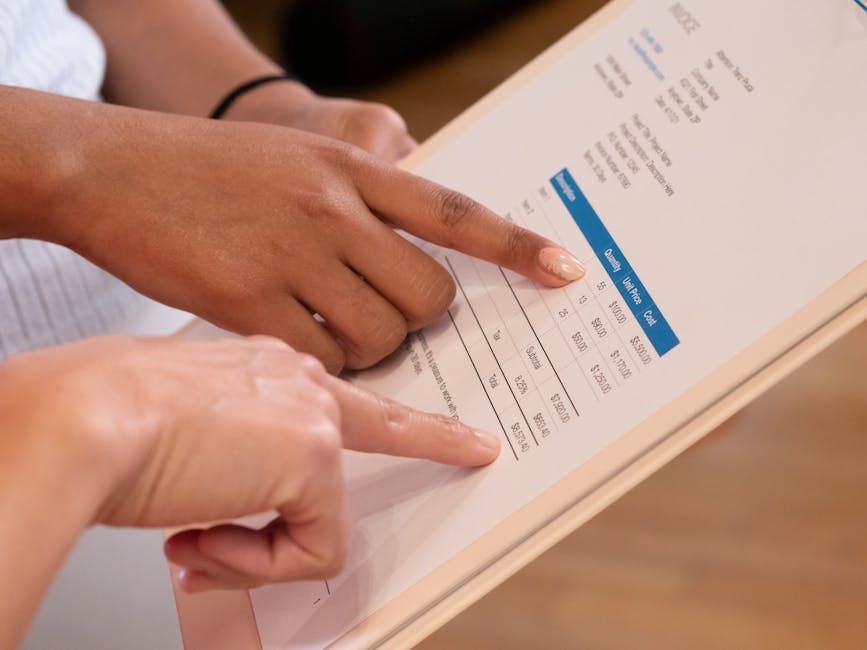
Most people don't realize that medical bills are negotiable. Hospitals and providers often inflate charges and expect insurance to pay the negotiated rate, but they're frequently willing to reduce self-pay bills. Call the billing department, explain your situation, and ask if they offer financial hardship programs or payment plans. Some hospitals will reduce bills by 20–50% if you ask and show proof of financial need. Don't just pay the first bill you receive—get an itemized statement, review it for errors, and push back on charges that seem excessive.
Advertisement
#4: Take Advantage of Preventive Care Benefits

Your insurance plan likely covers preventive services like annual physicals, screenings, and vaccinations at zero cost. Many people skip these appointments thinking they'll save money, but preventive care catches problems early when they're cheaper to treat. A simple colonoscopy or blood pressure check now can prevent thousands in treatment costs later. Check your plan's summary of benefits to see what preventive services are fully covered. Schedule those appointments—they're designed to catch issues before they become expensive emergencies.
#5: Compare Prices at Different Pharmacies

Prescription prices vary wildly between pharmacies, sometimes by hundreds of dollars for the same medication. Before filling a prescription, call around or use free price-comparison tools like GoodRx or your insurance's pharmacy finder. You might find that a local pharmacy charges $150 for a three-month supply while another charges $45. Some big-box retailers like Walmart and Costco offer surprisingly low prices on common medications. Spending 10 minutes comparison shopping could save you more than the copay itself.
#6: Choose In-Network Providers Only

Using out-of-network doctors can trigger surprise bills that cost thousands of dollars. Before scheduling any procedure or specialist visit, verify that the provider is in your insurance network. Call both your insurance and the provider's office to confirm—don't rely on a website alone. Out-of-network costs often mean you pay a much higher percentage, or the full bill if your plan doesn't cover them. This is especially critical for specialist appointments and procedures, where out-of-network bills can spiral quickly.
Advertisement
#7: Join a Discount Health Plan for Uninsured Services

If you're uninsured or have a high deductible, dental and vision discount plans (separate from insurance) can save 10–60% on routine care. These memberships typically cost $100–$200 per year and give you access to a network of participating dentists and eye doctors at reduced rates. For example, a routine dental cleaning might normally cost $200 but only $50 with a discount plan. You pay out-of-pocket, but the discounted rate is negotiated and much lower than the retail price. They're not insurance, but they're a practical way to afford basic preventive care.
#8: Use FSA and HSA Accounts to Your Advantage
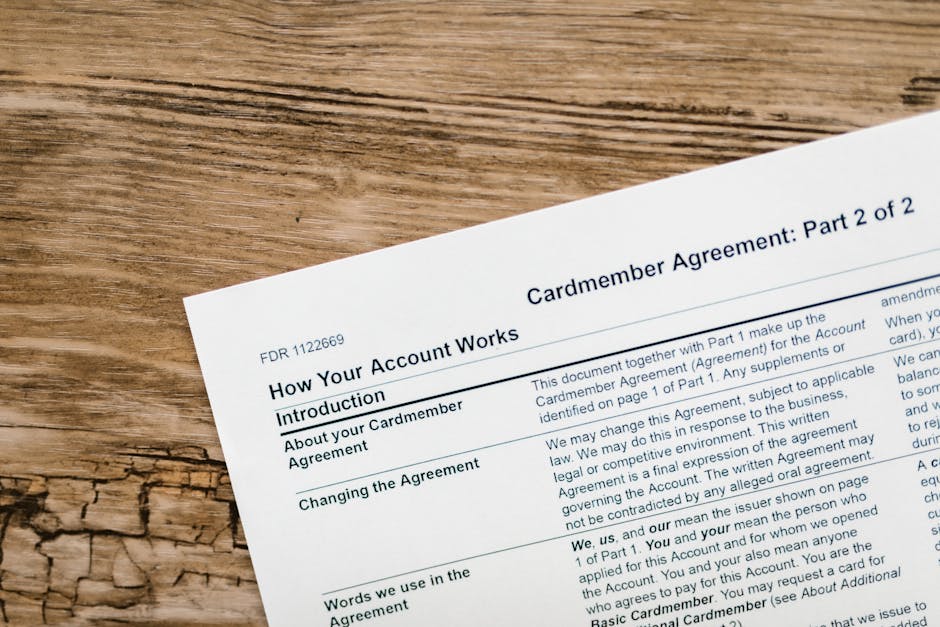
Flexible Spending Accounts (FSAs) and Health Savings Accounts (HSAs) let you set aside pre-tax dollars for medical expenses, which instantly reduces your tax burden. An HSA is especially powerful because unused funds roll over year to year and can be invested. If you contribute $3,500 to an HSA in a high tax bracket, you might save $1,000 in taxes alone. Use these accounts strategically to pay for copays, prescriptions, glasses, and dental work—all with untaxed money. Check if your employer offers these plans and maximize your contributions to stretch your healthcare budget.
These eight strategies reveal how much control you actually have over healthcare spending. By taking action on even a few of these tips, you can significantly reduce your out-of-pocket costs without compromising your health.
Advertisement