You've probably heard about magnesium and B vitamins for anxiety, but there's a whole world of lesser-known supplements that millions swear by for managing stress. We've rounded up 15 options that science and real users back—and some might surprise you.
Advertisement
#1: Magnesium
You've likely heard this one before, and for good reason. Magnesium is a mineral that helps regulate your nervous system and can calm both your mind and body. Studies show it's particularly effective for people with anxiety-related insomnia. You'll find it in supplement form as magnesium glycinate or magnesium threonate, which are gentler on your digestion than older formulations.
#2: L-Theanine

If you're a coffee drinker who gets jittery, L-theanine might be your answer. This amino acid, naturally found in green tea, promotes relaxation without drowsiness by boosting alpha brain waves. You can take it as a standalone supplement or find it paired with caffeine in calm-focus products. Many people notice a difference within 30 minutes of taking 100–200 mg.
#3: Ashwagandha
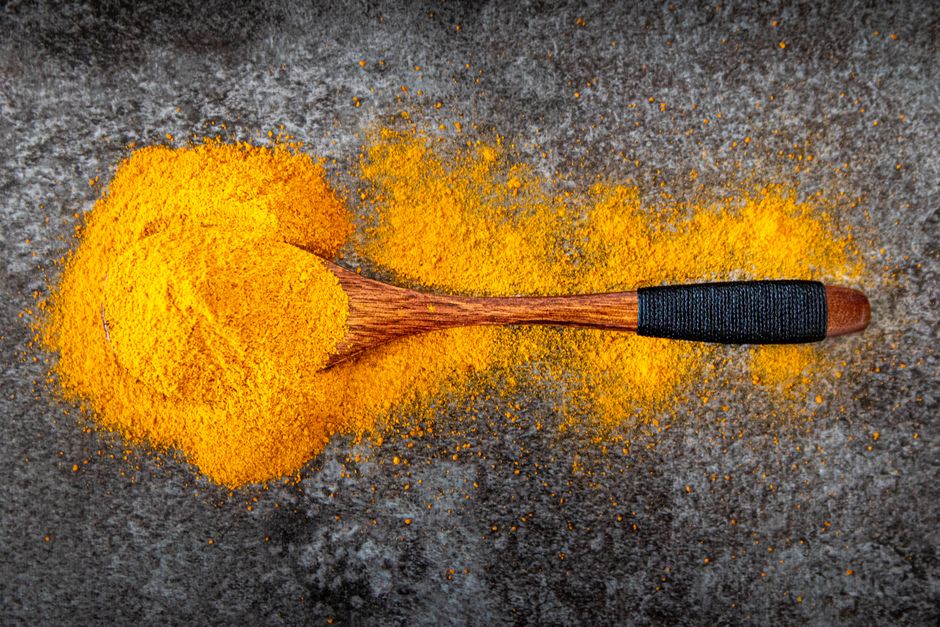
This adaptogenic herb from Ayurvedic medicine has exploded in popularity for stress relief, and research backs it up. Ashwagandha lowers cortisol levels and helps your body respond better to stress. You'll typically take it as a capsule or powder, and consistency matters—most people see results after 4–8 weeks of daily use.
Advertisement
#4: Vitamin B Complex

Your B vitamins are essential for neurotransmitter production, which directly impacts mood and stress resilience. B6, B12, and folate specifically support nervous system health and energy metabolism. When you're under chronic stress, your body depletes these faster than usual, so a quality B-complex supplement can help you bounce back and feel more stable.
#5: Rhodiola Rosea

Another adaptogen, rhodiola helps your body resist stress by improving focus and reducing fatigue. It works differently than ashwagandha—rhodiola is more energizing and pairs well with mental fatigue or burnout. Athletes and high-performers often reach for it during intense periods. Take it in the morning since it can be stimulating.
#6: GABA (Gamma-Aminobutyric Acid)
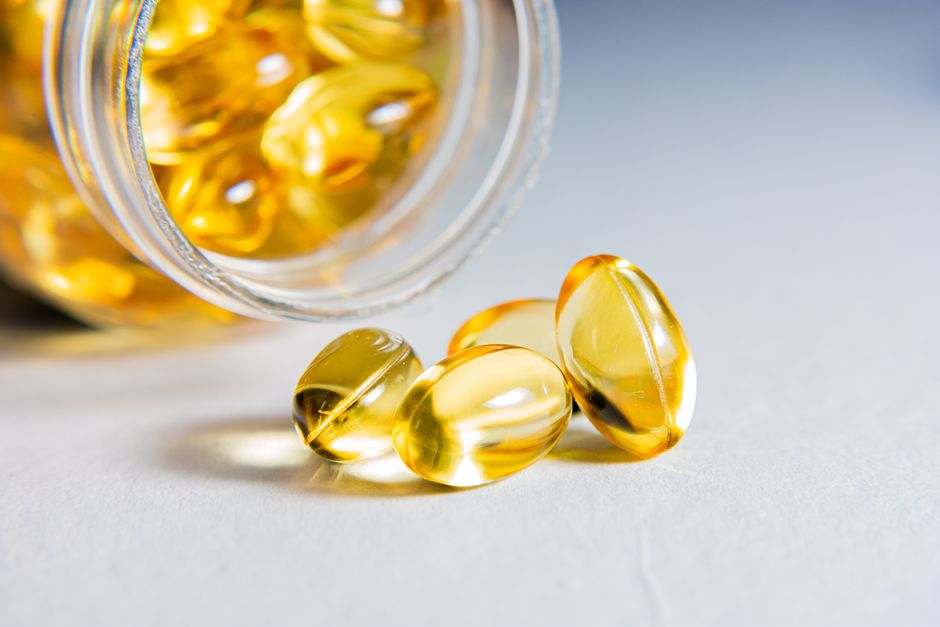
GABA is your brain's primary calming neurotransmitter, and you can supplement it directly. When GABA levels drop, anxiety and racing thoughts can spike. While some debate how much crosses the blood-brain barrier, many users report genuine relaxation and quieter minds within 30–60 minutes of taking 500–1000 mg doses.
Advertisement
#7: Probiotics (Psychobiotics)

You might not think gut health affects anxiety, but your microbiome produces about 90% of your body's serotonin. Specific probiotic strains—like Lactobacillus and Bifidobacterium—are being studied for their mood-boosting effects. Daily probiotic supplements can support a healthier gut-brain connection over weeks and months.
#8: Passionflower

This herbal supplement has been used for centuries to ease anxiety and restlessness. Passionflower works gently on your nervous system without the sedation of stronger herbs. It's often found in stress-relief tea blends, but you can also take it as a tincture or capsule. It pairs well with other calming supplements for a synergistic effect.
#9: Omega-3 Fatty Acids

Fish oil and other omega-3 supplements support brain inflammation reduction and mood stability. Research shows that people with lower omega-3 levels often struggle more with anxiety and depression. You'll want at least 1000–2000 mg daily of combined EPA and DHA for noticeable results, ideally from a third-party tested source.
Advertisement
#10: Vitamin D
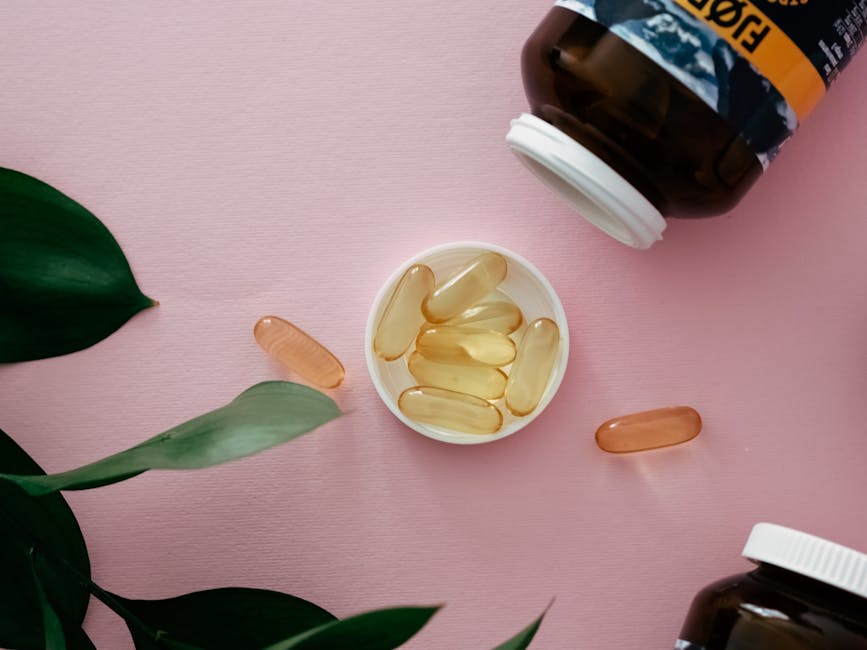
Low vitamin D is linked to higher anxiety and depression rates, especially in winter months. Your body makes it from sunlight, but many people don't get enough, particularly if you work indoors. A daily supplement of 1000–4000 IU can lift mood and reduce stress responses. Many people feel noticeably calmer within weeks of correcting a deficiency.
#11: Valerian Root

If you're dealing with stress-induced sleep problems, valerian root is a go-to herbal option. It promotes deeper, more restful sleep without the morning grogginess of prescription sedatives. You can find it in tea, tincture, or capsule form. Most people notice improved sleep quality after a few nights of consistent use.
#12: Lavender Extract

Lavender supplements go beyond the essential oil hype—clinical trials show oral lavender extract reduces anxiety symptoms effectively. It's calming without making you drowsy, so you can take it during the day. A typical dose is 80–160 mg daily, and you might notice quieter, more relaxed thoughts within a week.
Advertisement
#13: Lemon Balm

This mint-family herb has gentle anxiolytic properties that make it perfect if you're new to supplements. Lemon balm tastes pleasant in tea or as a supplement, and it won't interfere with other medications. It works best for mild to moderate stress and pairs nicely with passionflower for cumulative calming effects.
#14: Inositol

Also called myo-inositol, this vitamin-like compound supports neurotransmitter function and cellular messaging in your brain. It's particularly studied for panic disorder and OCD-related anxiety. You'll typically take 2–4 grams daily in powder or capsule form, and many users report fewer racing thoughts after consistent use.
#15: Cordyceps Mushroom

Cordyceps are medicinal mushrooms that enhance energy and mental clarity while reducing stress-related fatigue. Unlike caffeine, they support your body's natural energy production without crashes. You'll often find them in mushroom blends or standalone capsules. They're particularly helpful if stress has left you feeling drained or burned out.
The best supplement for your stress is the one you'll take consistently and that works with your body—so consider starting with one or two and noting how you feel. Always consult a healthcare provider before adding new supplements, especially if you take medications.
Advertisement