Your hardwood floors are a major investment, but common household products are silently destroying them. From everyday cleaners to sneaky moisture traps, here are the items you need to stop using right now—before they cause permanent damage.
Advertisement
#1: Oil-Based Furniture Polish
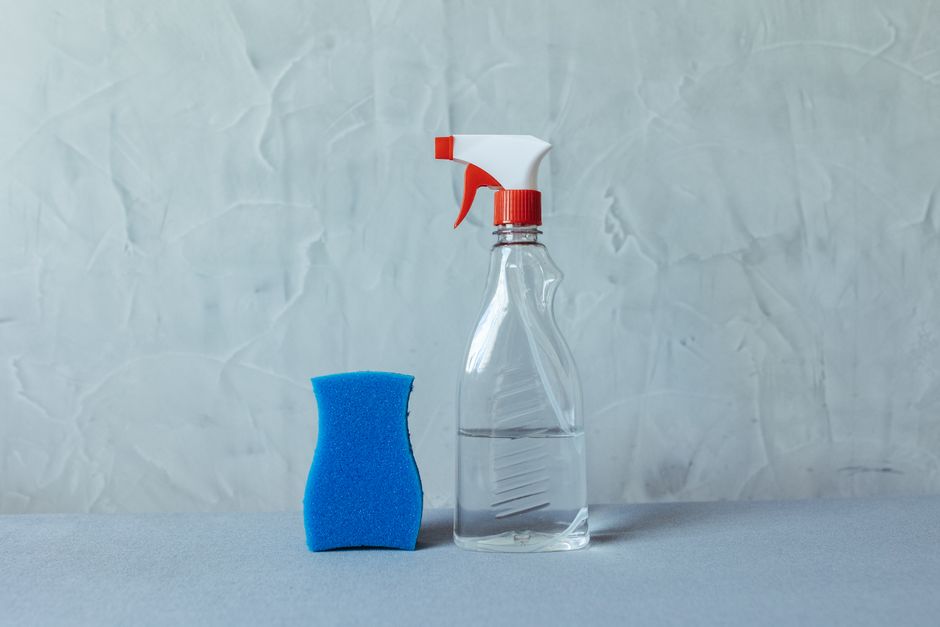
Oil-based polishes might make your floors gleam, but they leave behind a slippery residue that builds up over time and attracts dust like a magnet. Pledge and similar products create a waxy layer that actually traps moisture against the wood, leading to warping and discoloration. Your floors will look shiny for a few days, then dull and grimy within weeks—and you'll need to strip and refinish to remove the buildup.
#2: Vinegar and Water Solutions
You've probably heard vinegar is a miracle cleaner, and it works great on tile—but hardwood is different. Vinegar is acidic and cuts through the protective finish on your floors, while the water soaks into wood grain and causes swelling. Even 'diluted' vinegar solutions seep between planks and promote mold growth underneath. That musty smell creeping into your room? Often caused by repeated vinegar cleaning.
#3: Steam Mops

Steam mops promise hands-free sanitation, but they're essentially blasting your hardwood with intense heat and moisture—the two worst things for wood. The heat opens the grain and allows steam to penetrate deep into the planks, causing them to swell unevenly and buckle. Manufacturers include disclaimers about hardwood, but many people ignore them. One aggressive steam mopping session can cost you thousands in floor replacement.
Advertisement
#4: Wet Mops and Excessive Water

Even regular mops soaked in water are risky on hardwood. Water is wood's enemy—it causes cupping (edges higher than the center) and crowning (center higher than edges), depending on humidity. A damp mop is fine in moderation, but that dripping-wet mop you're wringing out in the bucket? It's pushing gallons of moisture into your floors. Stick to barely damp microfiber cloths instead.
#5: Ammonia-Based Window and Surface Cleaners

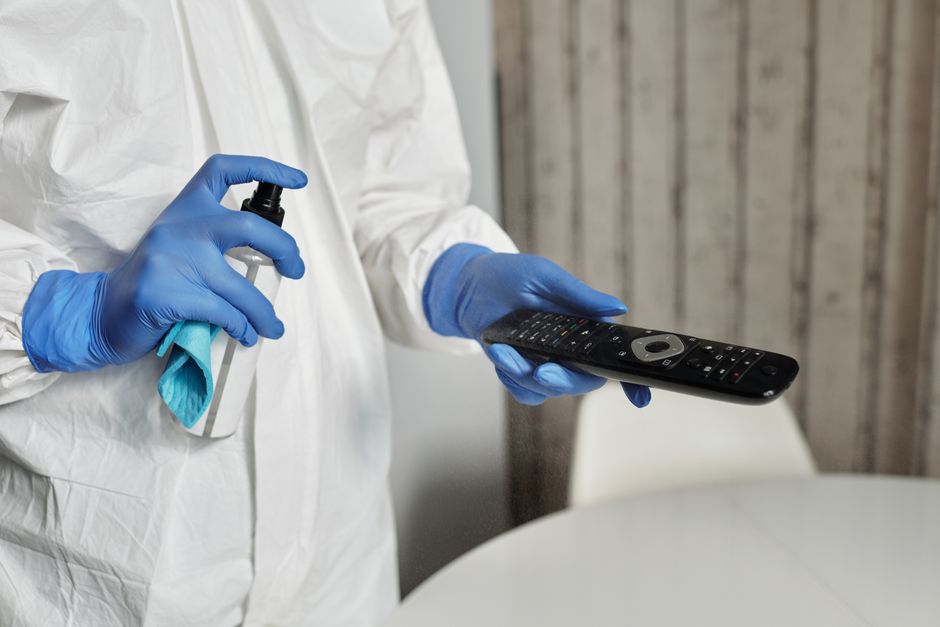
Windex and similar ammonia cleaners strip away the protective polyurethane coating on hardwood floors, leaving them vulnerable to stains and moisture. Many people use these on their entire floor, not just windows, thinking a glass cleaner is universal. Ammonia also creates streaks and a hazy film that dulls the natural wood grain. Over time, you'll notice dull patches wherever you've sprayed most frequently.
#6: Paste Waxes and Floor Waxes

If your floors have a polyurethane finish (most modern hardwood does), waxing them is unnecessary and damaging. Wax builds up on top of the finish, creating a dull, sticky surface that traps dirt and becomes slippery. It also prevents new finishes from adhering properly if you ever need to refinish. High-traffic areas become grimy and sticky—a nightmare to clean without sanding everything off.
Advertisement
#7: Harsh Abrasive Scrubbers and Steel Wool

Stubborn spill? Don't grab that steel wool pad. Abrasive scrubbers scratch and scuff the finish, exposing raw wood underneath and creating perfect spots for stains to settle in. Even 'soft' scrub pads can damage the protective coat if you're aggressive. Use a soft cloth and a wood-safe cleaner instead, and let it sit for a minute if the spill is dried on.
#8: Humidifiers and Dehumidifiers Near Floors

While controlling humidity is crucial for hardwood health, placing humidifiers or dehumidifiers directly on or right next to your floors creates moisture hotspots. Localized humidity swings cause the nearby planks to swell and shrink unevenly, leading to gaps and cupping. Keep these devices in central locations away from wood floors, and monitor your home's overall humidity between 30 and 50 percent.
Your hardwood floors deserve better than these common culprits. Stick to pH-neutral hardwood cleaners, dry microfiber cloths, and proper humidity control—and your investment will stay beautiful for decades.
Advertisement