
Banks need to move distressed properties fast, and that means deep discounts on country acreage you might never find on the open market. Here's how to uncover the best deals on rural real estate before your neighbors do.
Advertisement
#1: Properties in Agricultural Zones
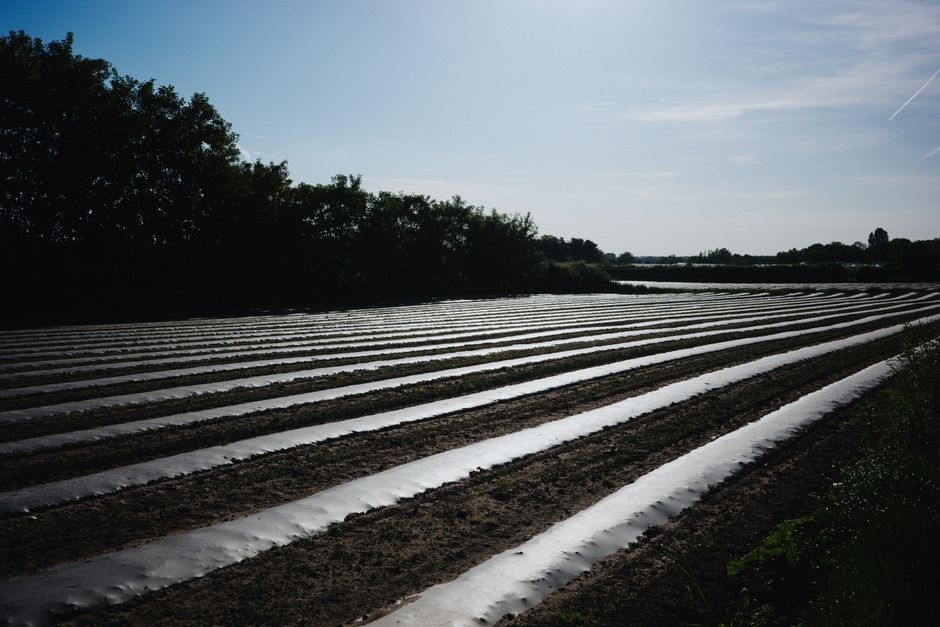
You can often find bank-owned farmland and agricultural properties listed well below market value because lenders want quick sales. A 50-acre parcel in Iowa's corn belt might be listed by a bank at $180,000 when comparable private sales fetch $300,000+. These properties appeal to investors and farmers alike, but banks price them aggressively to avoid holding costs. Check your local county assessor's website and bank REO (real estate owned) listings for upcoming auctions.
#2: Foreclosed Cabins and Small Retreats

Vacation cabins and hunting retreats that owners couldn't maintain often end up in bank portfolios at steep markdowns. You'll find rustic properties—sometimes needing updates—priced 40–60% below what a private buyer would pay for the same location and amenities. A cabin in the Ozarks or Appalachia might list for $75,000 when similar turnkey properties cost $150,000. Banks don't care about seasonal charm; they want liquidity, which works in your favor if you're willing to do some elbow grease.
#3: Waterfront and Lakeside Parcels
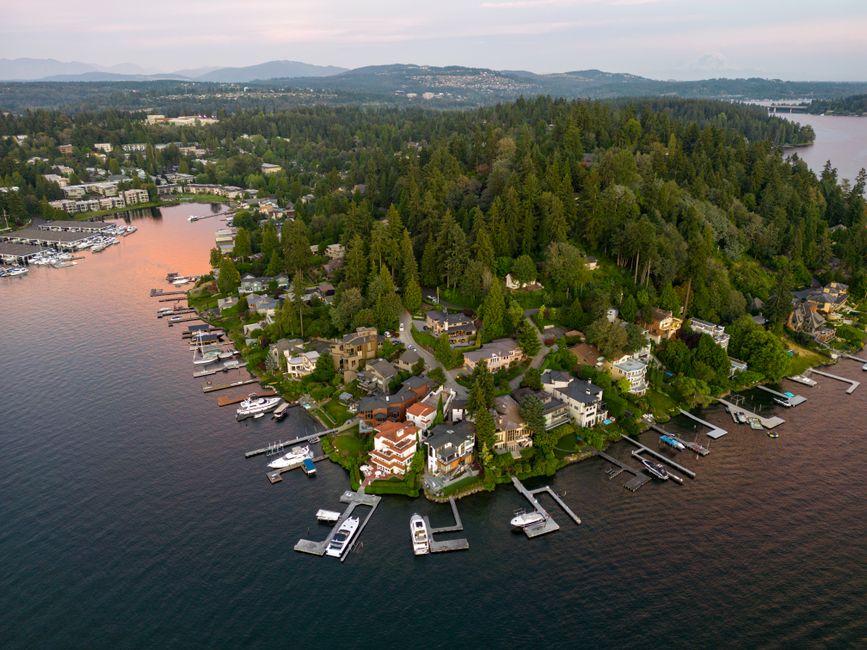
Waterfront country property commands premium prices in the private market, but bank foreclosures on lakes, rivers, and streams often sell for surprising discounts. You might snag a 2-acre lakeside lot in Tennessee or Kentucky for $90,000 when a realtor would market it for $160,000. Banks lack the patience to wait for the perfect buyer who'll pay peak price—they're motivated to close and move inventory. These properties recover value quickly once you own them, especially if you plan to build or develop.
Advertisement
#4: Multi-Parcel Bundles and Larger Acreage

When a bank inherits a large estate or multiple adjoining parcels, they sometimes offer bundle deals at rock-bottom per-acre rates to unload everything at once. You could acquire 100+ acres across several tax lots for pennies on the dollar compared to purchasing them individually. A bank in rural Missouri might offer 150 acres split into three parcels for $200,000 total—roughly $1,300 per acre instead of the regional market rate of $2,500–3,000. Bulk purchases appeal to investors, developers, and conservation groups who can move quickly.
#5: Properties with Title or Environmental Issues
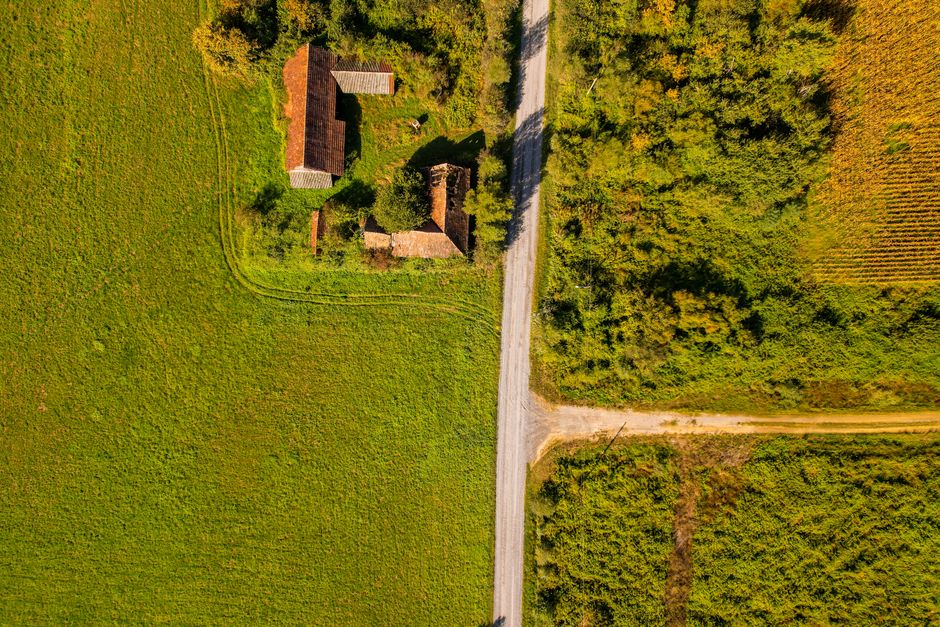
Bank-owned land with minor title defects, easement complications, or past environmental flags often trades at 30–50% discounts because mainstream buyers shy away. You might find a 20-acre parcel with a utility easement or old septic concern priced at $50,000 instead of $100,000. These issues are often manageable with proper due diligence and professional guidance—and the discount is real. If you're willing to research and potentially remediate, banks will happily offload the headache at a fraction of clean-title prices.
#6: Off-Grid and Remote Rural Parcels
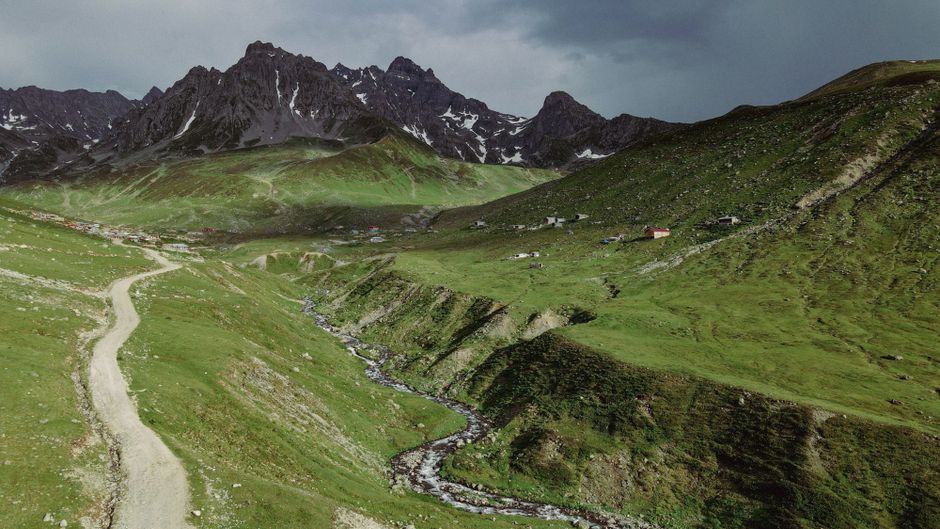
Isolated country lots without road access, utilities, or services sit on bank books as liabilities and sell at steep discounts. A remote 10-acre parcel in Appalachia or the Great Plains might list for $8,000–15,000 when it would fetch $25,000–40,000 if it had road frontage and power lines. These properties attract preppers, eco-builders, and off-grid enthusiasts willing to invest in infrastructure. Banks view remoteness as a liability; savvy buyers see opportunity and self-sufficiency potential.
Advertisement
#7: Inherited Estate Acreage in Probate
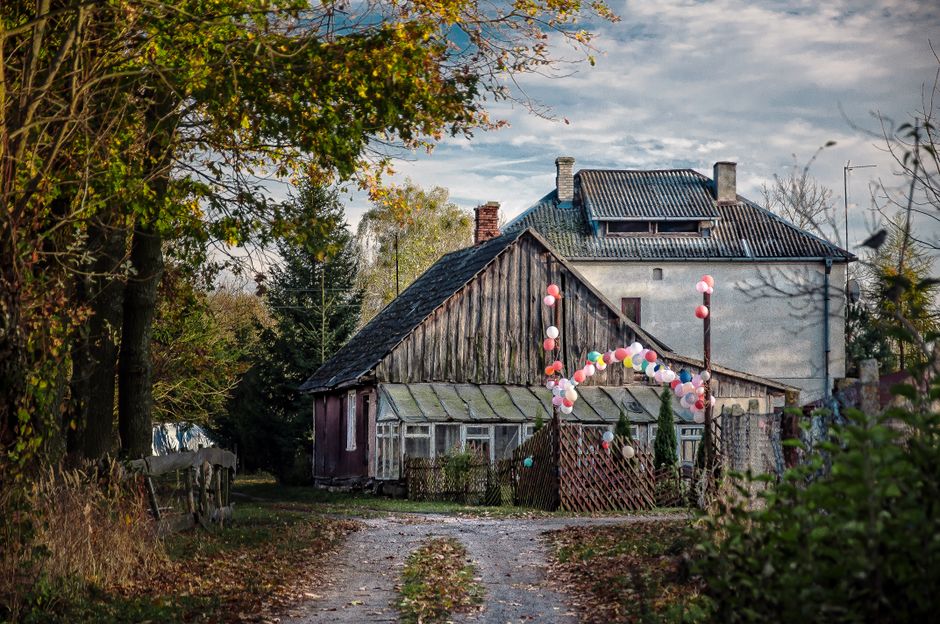
When bank-held estates go through probate and no heirs claim them, the bank liquidates the property quickly at auction prices far below appraised value. You might find a beautiful 30-acre inherited homestead in the South listed for $120,000 when appraisals showed $220,000. Probate properties bypass the typical listing cycle and sell almost always below fair market value. These deals move fast, so monitoring probate auctions and bank notices in rural counties can yield exceptional finds.
#8: Commercial Farmland with Outbuildings
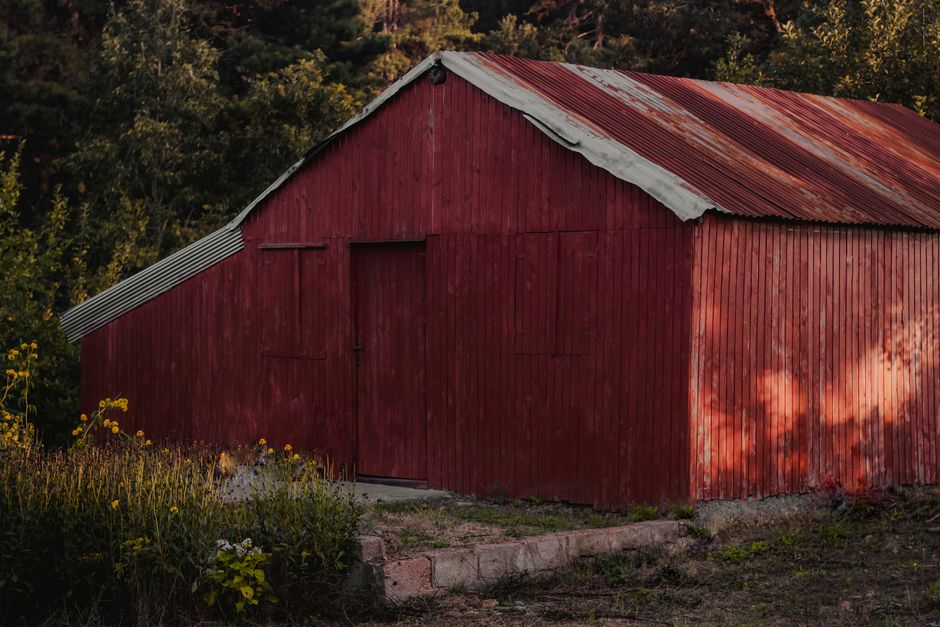
Bank-owned working farms, ranches, and properties with barns, silos, or equipment structures often sell at discounts because lenders focus on the land value alone. A 40-acre farm with a barn, well, and fencing might be listed at $160,000 when private buyers would pay $280,000 for the same improvements and acreage. Banks strip away sentiment and strip-down pricing; they care only about recovering principal. Investors and hobby farmers benefit most, especially if they can prove the property's income potential to renegotiate terms.
Bank-owned rural properties represent genuine savings for patient, informed buyers willing to act quickly. Start monitoring local foreclosure listings, county auctions, and bank REO departments—your dream country property at half price might be waiting.
Advertisement