

Hypoparathyroidism isn't just a medical diagnosis—it carries serious financial implications you may not have considered. From lifelong medication expenses to emergency care, here are the overlooked costs that could drain your savings.
Advertisement
#1: Chronic Medication Expenses

You'll likely need daily calcium and vitamin D supplements for life, which adds up quickly. Without insurance coverage, calcitriol (active vitamin D) can run $200–400 monthly. Over a 40-year lifespan, that's $96,000–$192,000 out of pocket before considering price increases and brand switches your doctor might recommend.
#2: Specialist Visit Co-pays

Regular endocrinologist appointments become non-negotiable. You're looking at $150–300 per visit, typically 4–6 times annually, totaling $600–$1,800 yearly in co-pays alone. Add in lab work to monitor calcium and phosphate levels, and specialist care balloons to $2,500+ annually for many patients.
#3: Emergency Room Visits for Hypocalcemia

Hypoparathyroidism can trigger sudden calcium drops, forcing expensive ER trips costing $1,500–$5,000 per visit. Even with insurance, your out-of-pocket could hit $500–$2,000. You might experience 1–3 emergencies per year if your condition isn't well-controlled, creating unpredictable financial crises.
Advertisement
#4: Laboratory Tests and Monitoring
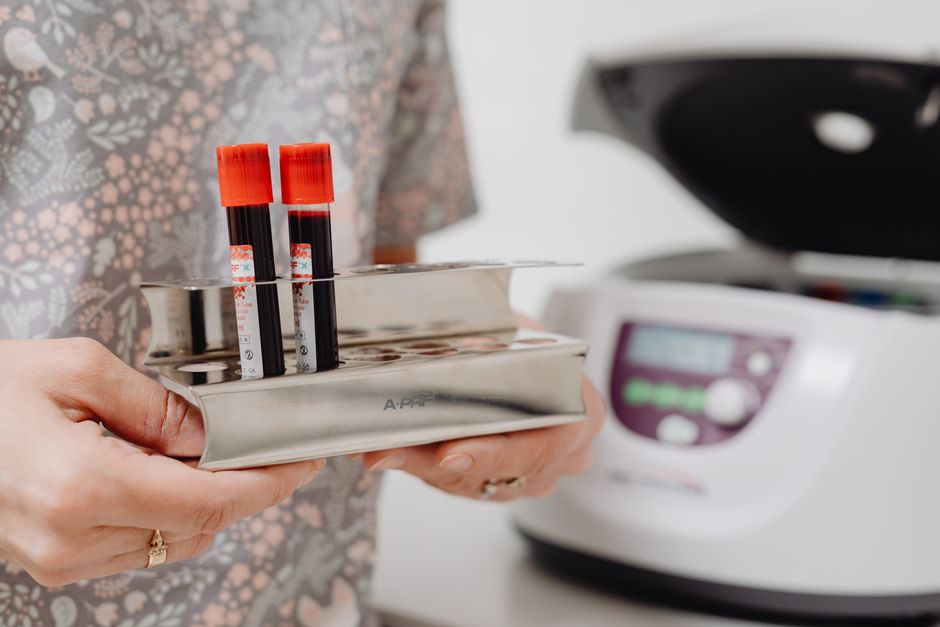
Frequent blood work—calcium, phosphate, vitamin D, parathyroid hormone levels—costs $200–$500 per panel. You may need testing every 4–12 weeks initially, then quarterly or semi-annually. Over five years, lab costs alone could exceed $5,000 without proper insurance negotiation.
#5: Dental and Bone Health Complications

Hypoparathyroidism increases tooth enamel defects and delayed tooth eruption, leading to expensive dental work. You might need crowns, implants, or orthodontics costing $10,000–$30,000 over a lifetime. Bone density monitoring (DEXA scans at $200–$400 each) becomes essential, adding recurring costs.
#6: Hospitalization for Severe Episodes
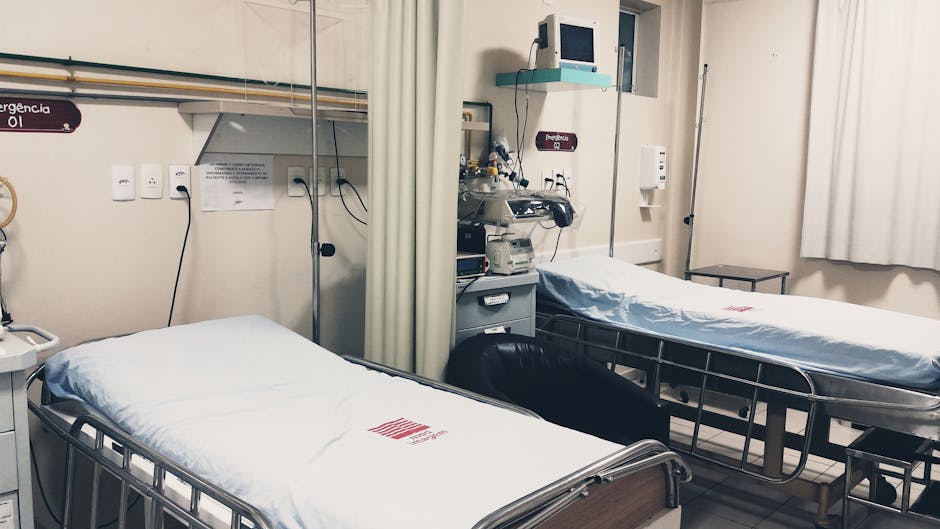
A hospital admission for severe hypocalcemia or seizures can cost $5,000–$15,000 even after insurance. If you require ICU monitoring or intravenous calcium therapy, costs spike to $20,000–$50,000. One or two hospitalizations in a decade could bankrupt uninsured or underinsured households.
Advertisement
#7: Dietary Supplements Beyond Prescriptions

Many patients need additional magnesium, phosphate binders, and specialized supplements costing $100–$200 monthly. These aren't always covered by insurance, forcing you to pay retail prices. Over 20 years, supplementary nutrition management could reach $24,000–$48,000 in out-of-pocket expenses.
#8: Disability Insurance and Income Loss

Severe hypocalcemia or seizures can force you to miss work or reduce hours, cutting income by 10–40%. You may need disability insurance, costing $50–$150 monthly ($600–$1,800 yearly). If you become unable to work, long-term disability claims often involve legal fees and appeal costs.
#9: Home Monitoring Equipment
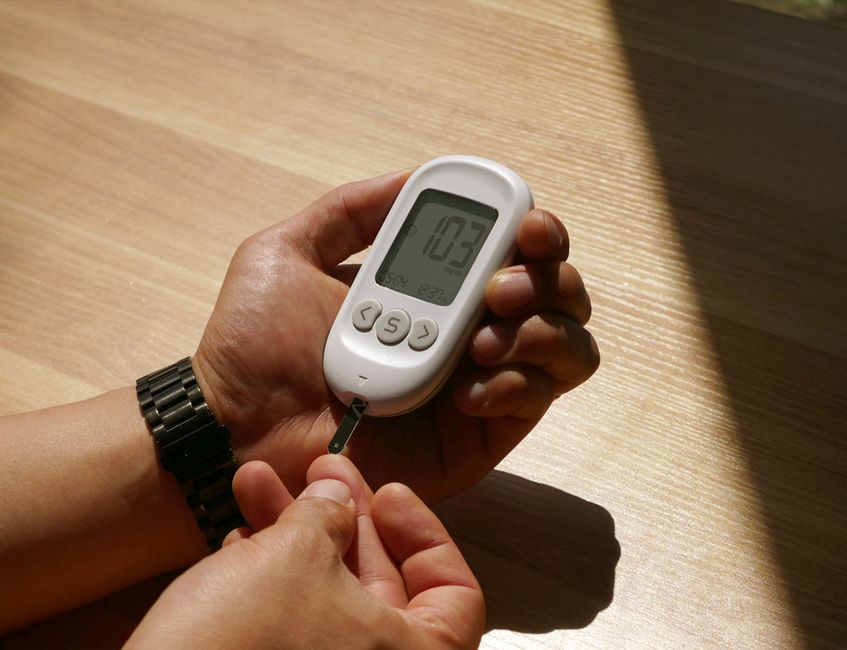
If recommended, you might invest in a home calcium testing device or continuous glucose monitor integration ($500–$1,500 upfront). Replacement sensors and supplies cost $200–$400 yearly. Over a decade, this infrastructure adds $2,500–$5,500 to your total care burden.
Advertisement
#10: Preventive Imaging and Scans
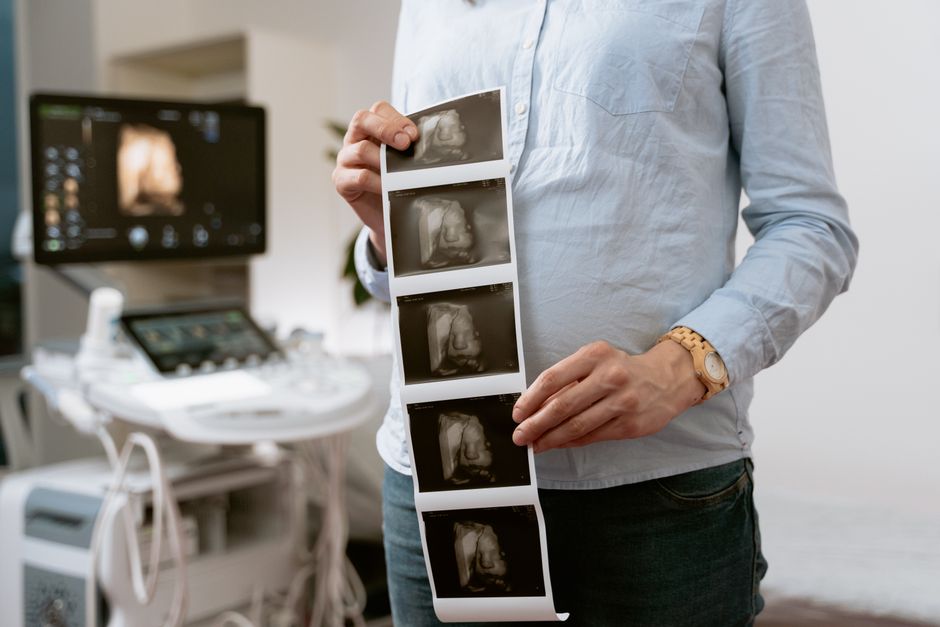
DEXA scans for bone density, thyroid ultrasounds, and parathyroid imaging each cost $300–$800. You may need these annually or biannually for early intervention. Ten years of preventive scanning alone could total $3,000–$8,000, preventing but also costing significant money upfront.
#11: Medication Adjustments and Titration Visits

Finding your optimal calcium and vitamin D dose requires frequent appointments and lab checks over months. Each adjustment cycle costs $500–$1,500 in specialist time and testing. You might cycle through 3–5 dosing regimens, adding $1,500–$7,500 in trial-and-error healthcare costs.
#12: Genetic Testing and Counseling

If your hypoparathyroidism is genetic, testing relatives and genetic counseling sessions cost $1,000–$3,000. These aren't always covered by insurance. Adding reproductive counseling for family planning decisions can push costs to $5,000+, affecting long-term financial and life planning.
Advertisement
#13: Travel and Out-of-Network Care

If you need specialized endocrinology care not available locally, travel for appointments adds $200–$500 per trip in gas, lodging, and meals. Multiple annual trips for complex cases can total $2,000–$4,000 yearly. Over a lifetime, geographic isolation from specialty care is a hidden financial tax.
#14: Life and Long-Term Care Insurance Premiums

Having hypoparathyroidism may increase life and disability insurance premiums by 20–50%. This adds $100–$300 annually compared to healthy peers. Over 40 years, this surcharge amounts to $4,000–$12,000 just to maintain basic financial protection.
#15: Occupational and Lifestyle Restrictions

You may be barred from high-risk jobs (commercial diving, military, certain trades) that pay 20–50% more. Career path limitations cost potential earnings of $200,000–$1,000,000+ over a lifetime. This opportunity cost far exceeds direct medical expenses for many patients.
#16: School and Childcare Accommodations

If your child has hypoparathyroidism, private school fees for medical accommodations can run $5,000–$15,000 yearly. Specialized tutoring for missed school days and extra supervision childcare add $3,000–$8,000 annually. Raising a child with this condition may cost $200,000–$500,000 more through age 18.
The financial impact of hypoparathyroidism extends far beyond prescriptions—it reshapes your career, family planning, and lifetime savings. Understanding these hidden costs now lets you plan defensively and advocate for better insurance coverage.
Advertisement