
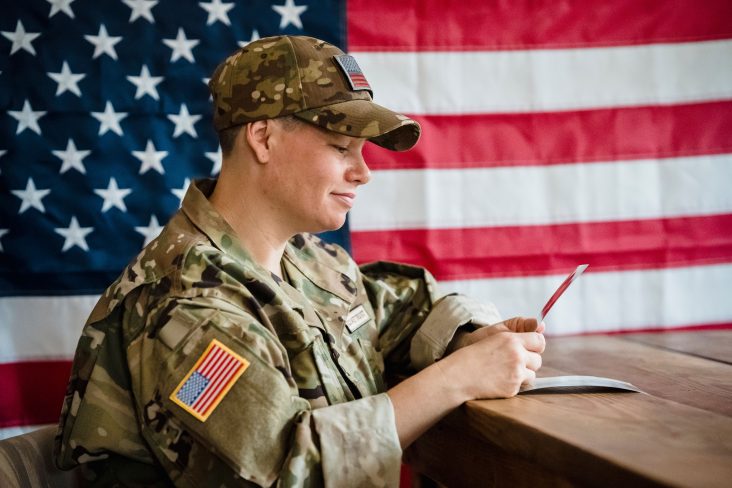
Your VA loan benefit is worth far more than you think—and lenders aren't always eager to tell you why. We've uncovered 17 hidden advantages and loopholes that could save you tens of thousands of dollars and unlock opportunities most veterans never realize exist.
Advertisement
#1: You Can Use Your VA Loan Benefit Multiple Times
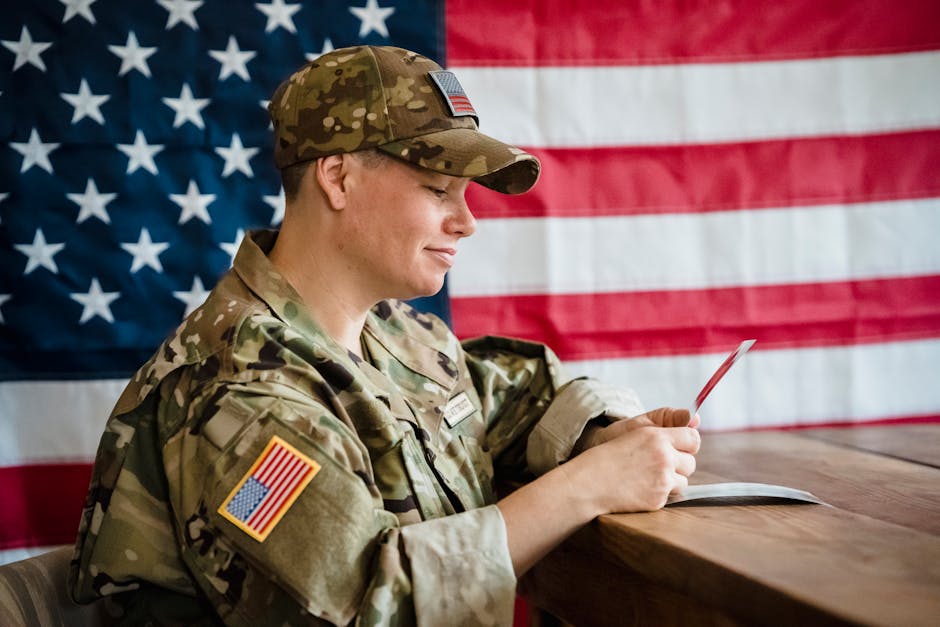
Most veterans assume they get one shot at a VA loan. Wrong. You can actually use your entitlement multiple times throughout your life, as long as you've paid back previous VA loans or they've been assumed by another buyer. This means you could finance a primary residence, pay it off, then use your benefit again for an investment property or vacation home. Some veterans have used their VA benefit three or four times over a career.
#2: There's No Prepayment Penalty—Ever
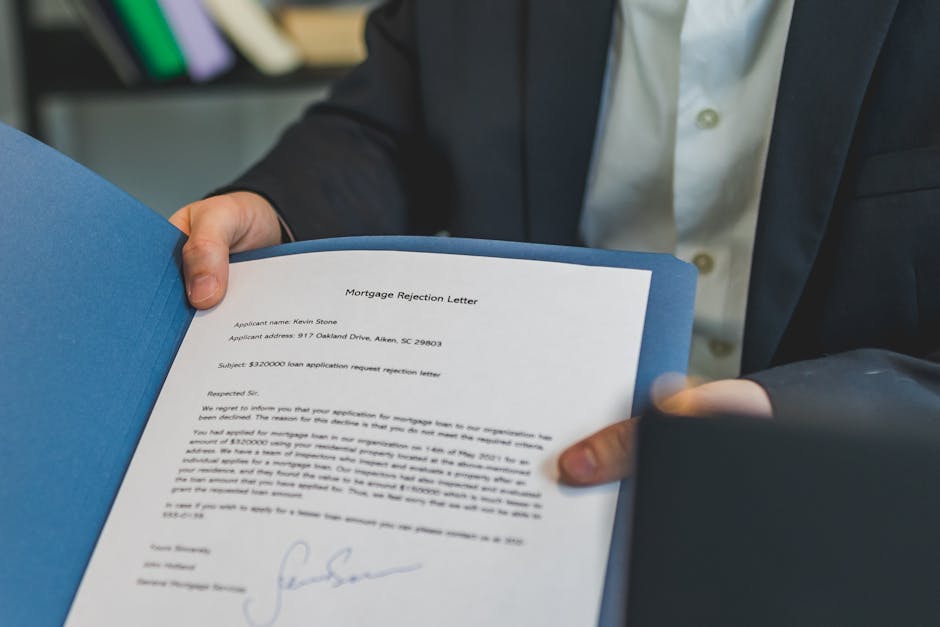
Unlike conventional loans, VA loans have zero prepayment penalties, which means you can pay down your mortgage as aggressively as you want without getting dinged. If you inherit money or land a bonus, you could throw it at your principal and dramatically shorten your loan term. One veteran paid an extra $200 monthly and saved over $80,000 in interest compared to their original 30-year timeline.
#3: The VA Funding Fee Can Be Rolled Into Your Loan

The VA funding fee (typically 2-3% of the loan amount) doesn't have to come out of your pocket upfront. You can roll it into your loan balance and pay it off over time. This keeps your cash liquid for closing costs, moving expenses, or emergencies. For a $300,000 home, that could mean keeping $6,000-$9,000 available instead of depleting your savings at closing.
Advertisement
#4: You May Qualify for a VA Jumbo Loan Without a Down Payment

VA loans aren't capped at a federal limit anymore—you can borrow beyond $766,550 in most areas without putting any money down. If you're buying in an expensive market and have strong income, you could finance a higher-value property with zero down payment, something conventional buyers can only dream of. Some veterans are using this to step into premium neighborhoods they thought were out of reach.
#5: Your Spouse Can Assume Your VA Loan (And Keep Using It)

If your spouse assumes your VA loan after divorce or death, they don't lose your eligibility for future loans—they inherit it. This can be a powerful financial move in estate planning, and it means your VA benefit legacy continues in your family. It's one of the few loan types where the benefit transfers this way, giving your dependents extraordinary financial flexibility.
#6: You Don't Need a Certificate of Eligibility in Your Wallet

You don't have to submit a formal Certificate of Eligibility to get started. Lenders can verify your eligibility electronically through the VA's system in minutes, which speeds up your application and removes a paperwork barrier. This makes it easier to shop around and get preapproved quickly without hunting down old military discharge papers or waiting for mail.
Advertisement
#7: Interest Rates Can Be Lower Than Conventional Loans

Because the VA guarantees a portion of the loan, lenders often offer VA rates that are 0.25-0.5% lower than comparable conventional mortgages. On a $300,000 loan, that quarter-point difference saves you roughly $50 per month, or $18,000 over 30 years. Shop around aggressively—different lenders offer different rates, and some specialize in VA loans and can beat national averages.
#8: Property Taxes Don't Always Apply to Your Home

Depending on your state and disability rating, you may qualify for a property tax exemption on your home. Some states exempt disabled veterans entirely from property taxes, while others offer partial exemptions. If you have a 100% disability rating and live in a state like Florida or Texas, this could mean saving $1,500-$4,000 annually—forever.
#9: You Can Buy a Manufactured Home (And Most Don't Know It)

VA loans work on manufactured homes and mobile homes, not just stick-built houses. If you're looking for an affordable entry point or retirement living, a manufactured home financed with your VA benefit means no down payment and VA protection. Many veterans overlook this option and end up buying conventional elsewhere, missing out on the VA's superior terms.
Advertisement
#10: The VA Can Help If Your Lender Denies You Unfairly

If a lender rejects your VA loan application for reasons you believe are unfair, you have recourse. The VA's loan ombudsman can investigate, and VA regional offices handle complaints. One veteran was denied for a marginal credit score but appealed through the VA ombudsman and got approved through a different lender after the VA intervened on their behalf.
#11: Closing Costs Can't Exceed 1% (And Sellers Often Pay Them)

VA loans cap your allowable closing costs at roughly 1% of the loan amount, and sellers are often required to cover them entirely. This is one of the VA's most powerful protections—you close with minimal or zero out-of-pocket expense. Compare this to conventional buyers paying 2-5% of the purchase price in closing costs, and you see why this matters.
#12: You Can Finance a Home Inspection—Most Veterans Don't

If you're tight on cash at closing, you can roll a VA home inspection into your loan balance instead of paying upfront. While a VA appraisal is required, an additional inspection is optional—but if you do one, the cost can be financed. This keeps your closing cash available and gives you peace of mind with a detailed inspection before you commit.
Advertisement
#13: Your Entitlement Restores When You Refinance Into Conventional

If you refinance your VA loan into a conventional mortgage later, your VA entitlement can restore. This gives you a second use of your benefit if circumstances change—you could refinance to build equity faster, then use a restored entitlement for an investment property. Few veterans understand this restoration rule, leaving money on the table.
#14: Construction Loans and New Builds Get VA Benefits Too
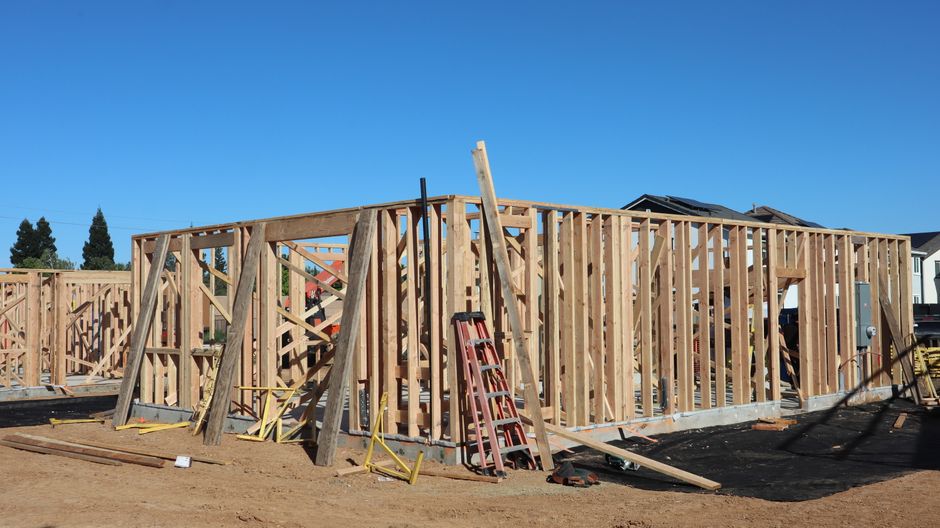
You can use your VA loan to finance new construction, including the construction phase itself. This means you could lock in a purchase price before building costs rise further and benefit from VA's low rates while the home is being built. Builders in hot markets often offer VA incentives like appliance upgrades or closing cost assistance, another hidden perk.
#15: VA Loans Work for Condos (With Stricter Rules)

You can buy a condo with a VA loan, but the condo complex must be VA-approved, which adds a layer of scrutiny. Not all condos qualify, but many do—and if you find one, you get all the VA benefits without the single-family home requirement. This opens up urban markets and retirement communities that conventional buyers in your price range couldn't access.
#16: Debt-to-Income Ratios Are Flexible for Compensated Veterans

If you receive VA disability compensation, some lenders can use that income to qualify you even if your gross income would normally exceed debt-to-income limits. VA disability pay counts as stable, recurring income, which can push you over the finish line for approval on a higher-priced home. One disabled veteran with modest W2 income qualified for a $400,000 loan because their disability compensation tipped the DTI ratio.
#17: You Can Buy a Home to Live In Within 12 Months of Discharge

You don't have to wait years after discharge to use your VA loan—you can start using your benefit as soon as your separation paperwork is processed. If you're transitioning from active duty, this means you could lock in housing before leaving the military, giving you stability during one of life's biggest transitions. This advantage helps prevent housing gaps and lets you plan your move strategically.
Your VA loan benefit is one of the most valuable financial tools available to veterans. Understanding these secrets puts you in control of your wealth-building strategy—and keeps more money in your pocket.
Advertisement