
You might be sipping on them every day without realizing the toll they're taking on your heart. Cardiologists have identified a surprising list of everyday beverages that can significantly elevate your blood pressure—and some of them are considered "healthy." Here's what you need to know before your next drink.
Advertisement
#1: Regular Soda

When you crack open a can of cola or lemon-lime soda, you're consuming up to 40 grams of sugar in just one serving. That sugar rush triggers your body to retain sodium and increases insulin levels, both of which raise blood pressure. Even one soda daily can add up to measurable spikes over time. Cardiologists consistently point to regular sodas as one of the easiest culprits to eliminate from your routine.
#2: Energy Drinks
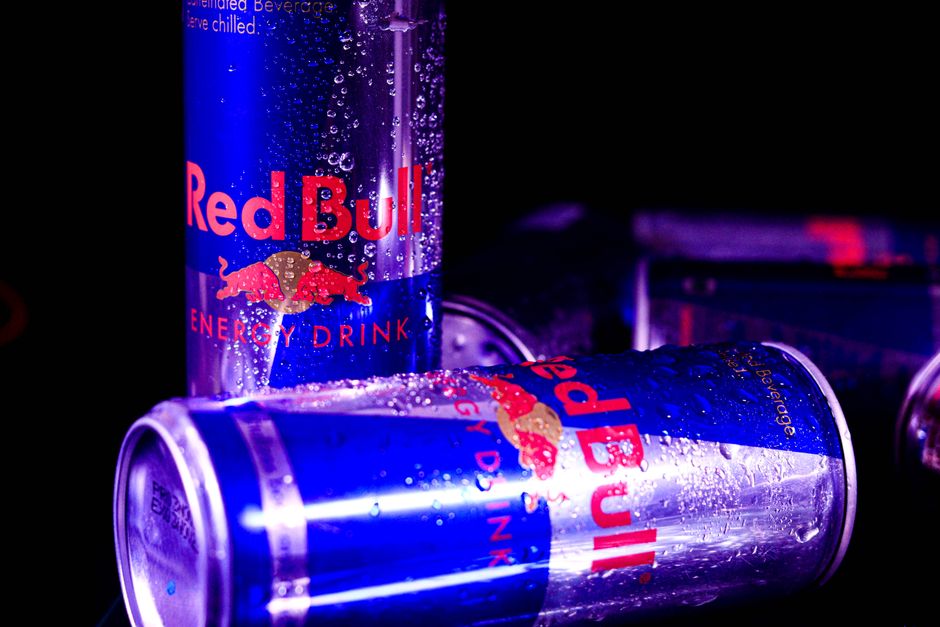
Energy drinks pack a double punch: high caffeine content combined with excessive sugar or artificial sweeteners. A single 16-ounce energy drink can contain as much caffeine as three cups of coffee, causing your heart rate and blood pressure to spike within minutes. Add the added sodium and stimulants like taurine and guarana, and you've created a perfect storm for hypertension. Young adults especially underestimate how quickly these drinks affect their cardiovascular system.
#3: Diet Sodas and Artificial Sweetener Drinks
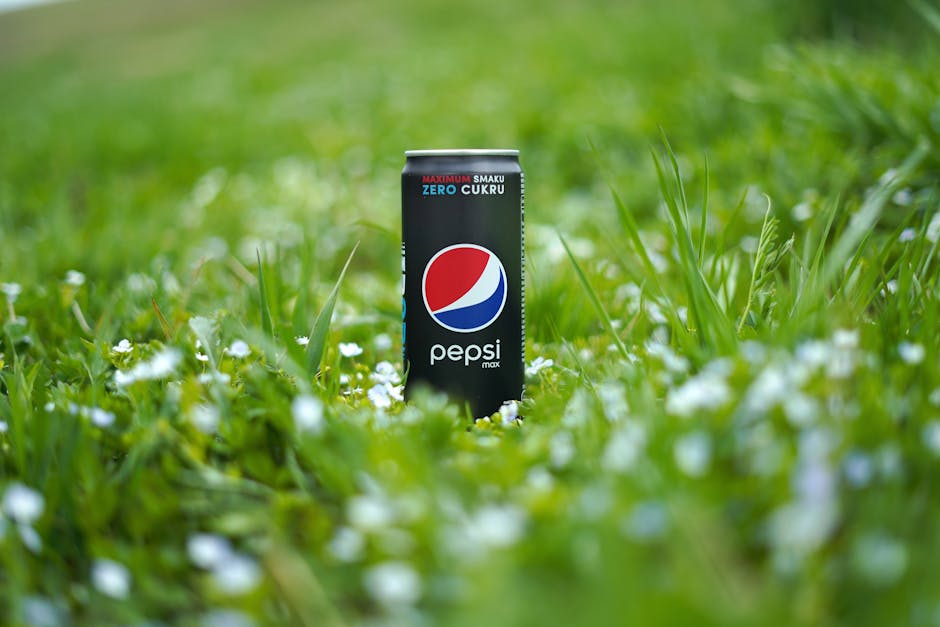
You might think switching to diet versions keeps you safe, but research suggests otherwise. Artificial sweeteners like aspartame and sucralose can alter your gut bacteria and increase sodium sensitivity, making your body more reactive to salt. Some studies show that people who drink diet sodas regularly have a 35% higher risk of developing metabolic syndrome, which raises blood pressure. The zero-calorie label doesn't mean zero cardiovascular risk.
Advertisement
#4: Alcohol—Especially in Excess
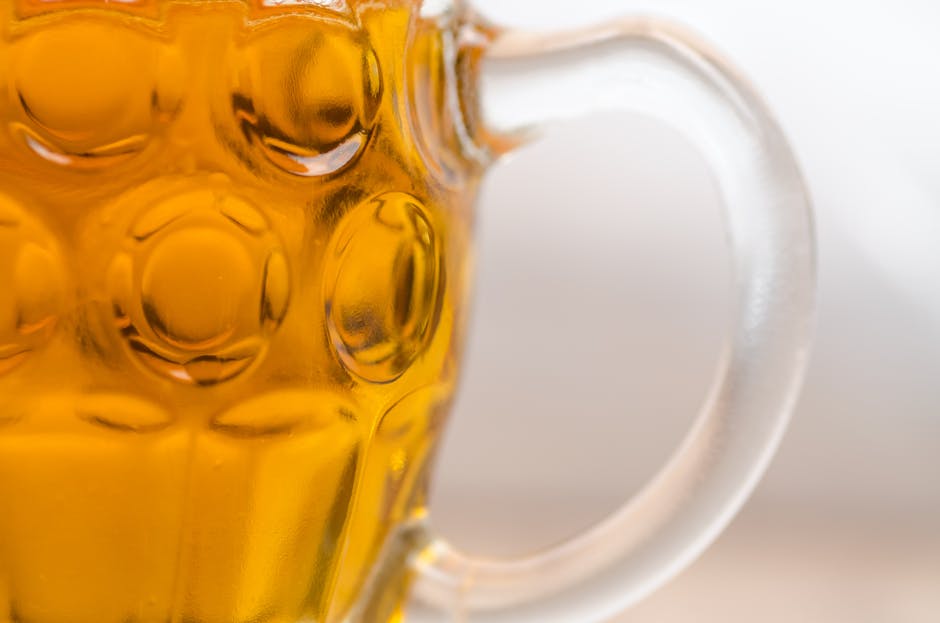
While moderate drinking might be acceptable, regular alcohol consumption is a well-documented blood pressure raiser. Beer, wine, and spirits all contain compounds that cause blood vessels to constrict and increase heart rate. Just three to four drinks per week above recommended limits can elevate your systolic pressure by 5–10 mmHg. If you enjoy a glass of wine with dinner, keeping it truly occasional—not daily—is key to protecting your heart.
#5: Sports Drinks
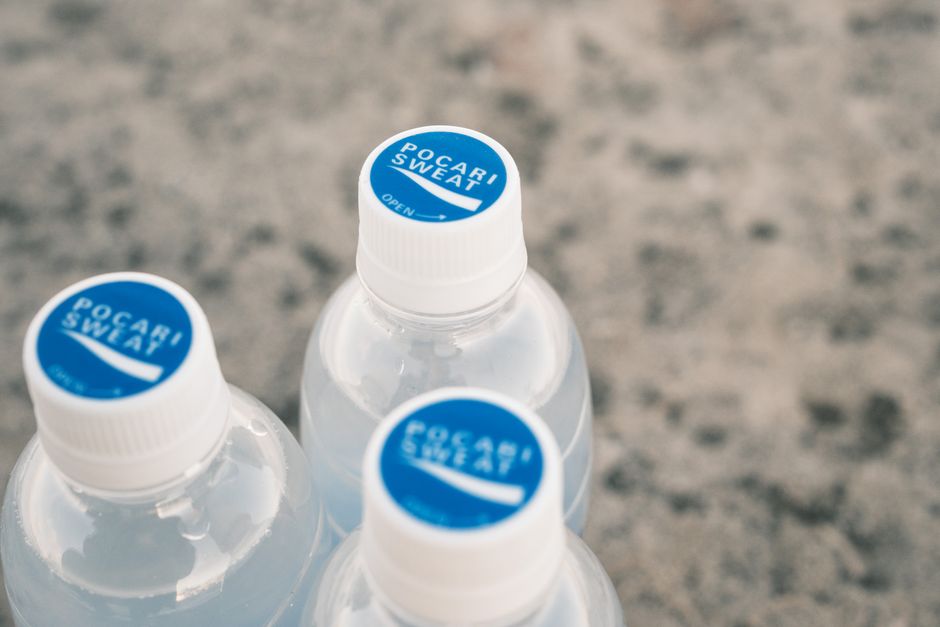
Gatorade and similar sports beverages are marketed for athletes, but they're loaded with sodium and sugar designed to be absorbed quickly. One bottle can contain 400+ milligrams of sodium—roughly 17% of your daily limit—plus 30+ grams of sugar. Unless you're running a marathon, you're just adding unnecessary sodium and calories that burden your cardiovascular system. Even active people should limit these drinks to genuinely strenuous activity.
#6: Sweetened Iced Tea
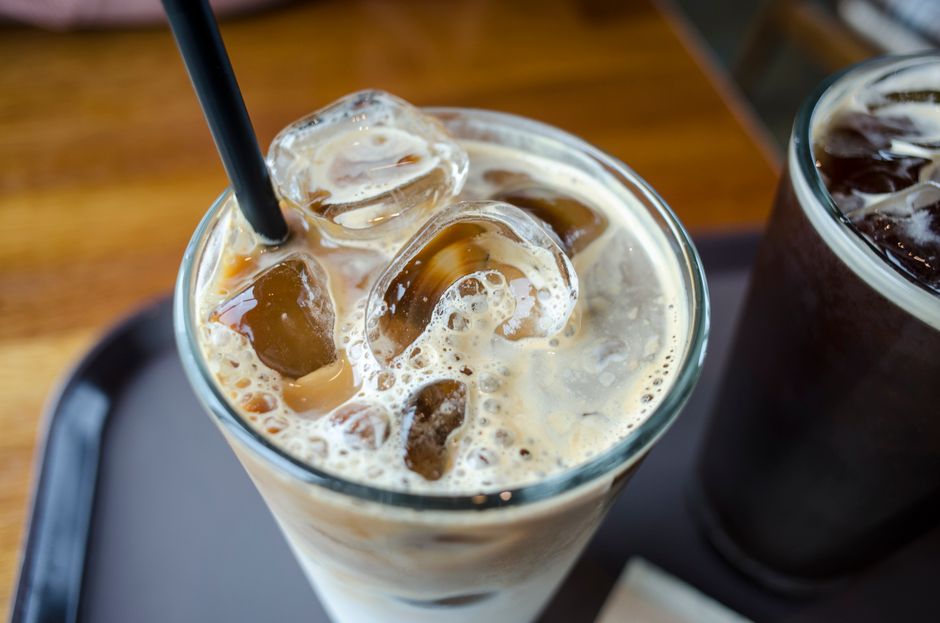
Store-bought iced teas often contain as much sugar as soda—sometimes more. A 16-ounce bottle can have 40–50 grams of sugar plus added sodium as a preservative. The combination is particularly dangerous because people often think tea is a healthier choice and consume larger quantities. Cardiologists recommend brewing your own unsweetened iced tea at home to avoid the hidden sodium and sugar trap.
Advertisement
#7: Coconut Water

While coconut water is promoted as a natural, nutrient-rich drink, it's surprisingly high in sodium compared to plain water. A single serving can contain 250+ milligrams of sodium, and people often drink multiple servings thinking it's a guilt-free option. Those with existing hypertension or sodium sensitivity should be particularly cautious. It's better as an occasional post-workout drink than a daily staple.
#8: Tomato Juice and Vegetable Cocktails

You might reach for vegetable juice thinking you're making a healthy choice, but tomato juice and V8-style drinks are loaded with sodium—often 400+ milligrams per 8-ounce glass. That's nearly 20% of your daily sodium limit in one drink. While the vegetables are nutritious, cardiologists recommend eating whole vegetables instead or choosing low-sodium versions explicitly labeled as such. Don't let the "vegetable" label fool you into overconsumption.
#9: Flavored Coffee Drinks

Those elaborate coffee shop drinks with multiple pumps of vanilla syrup, caramel, and whipped cream can contain 50+ grams of sugar and surprising amounts of sodium from additives. Your morning latte habit might be doing more damage than you realize. Even black coffee itself is fine—it's the added syrups, sweetened condensed milk, and high-sodium creamers that cause the problem. Stick to simple preparations or make your specialty drinks at home with less sugar.
Advertisement
#10: Sweetened Protein Shakes and Meal Replacement Drinks

Protein shakes marketed as health foods often contain 25–40 grams of sugar plus hidden sodium from added salts and flavor enhancers. People use them as meal replacements, consuming even higher quantities than they would of regular beverages. While protein itself is important, the delivery method matters—whole foods provide fiber and nutrients without the blood pressure-spiking additives. Check labels carefully and consider whole-food protein sources instead.
The good news is that swapping these drinks for water, unsweetened tea, or black coffee can meaningfully lower your blood pressure within weeks. Small changes to your daily beverage choices add up to major cardiovascular benefits over time.
Advertisement