
Energy costs are climbing faster than ever, and utility companies show no signs of slowing down. Solar panels aren't just an environmental choice—they're a direct financial strategy that can slash your monthly bills by thousands. Here's how solar actually works to put money back in your pocket, starting today.
Advertisement
#1: Direct Offset of Daytime Electricity Use
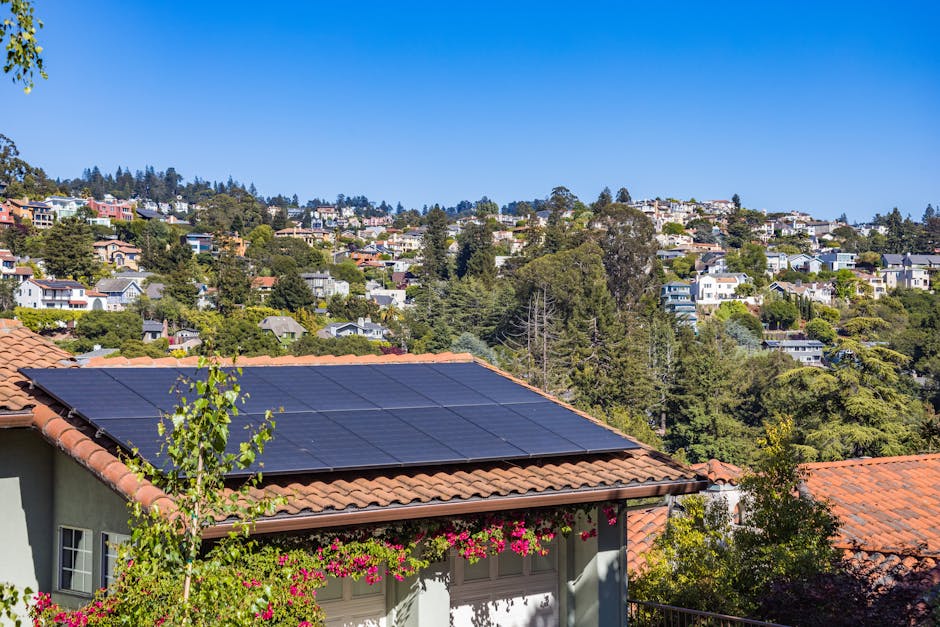
Solar panels generate electricity while the sun's up, which is when you typically use the most power—running AC, appliances, and devices. Instead of pulling expensive grid electricity during peak hours, you're using free energy your roof produces. A household in Arizona, for example, can offset 50-70% of daytime consumption with a modest 6-8 kW system, immediately cutting those high-demand charges that spike your bill.
#2: Reduce Peak Demand Charges

Many utility companies charge extra for the energy you consume during peak demand windows—typically afternoons and early evenings. Solar panels perform exactly when demand (and rates) are highest. By generating power during these expensive hours, you avoid paying premium rates entirely. A business running during daylight hours can see 20-40% savings just from sidestepping peak-hour surcharges that traditional customers face.
#3: Net Metering Credits Build a Reserve

On sunny days, your solar system often produces more electricity than you use. Through net metering, excess power flows back to the grid, and your utility credits your account at the retail rate. These credits roll over and pay for grid electricity on cloudy days or at night. Someone in California might accumulate $50-100 monthly in credits during spring and summer, then use them when production dips in winter.
Advertisement
#4: Lock in Energy Costs for 25+ Years

Utility rates historically rise 2-3% annually, but your solar panel's production cost stays flat—the sun's free. Once installed, you're protected from future rate hikes that will compound over decades. If your current bill is $150 monthly, locking that in instead of facing $220+ monthly rates in 15 years amounts to tens of thousands in guaranteed savings.
#5: Battery Storage Maximizes Self-Consumption

Adding a battery system lets you store daytime solar energy and use it after sunset, when grid rates spike. Instead of exporting excess power cheaply or buying expensive evening electricity, you draw from your battery. A Tesla Powerwall or similar system costs extra upfront, but homeowners report an additional 10-15% bill reduction by avoiding nighttime grid purchases at premium rates.
#6: Tax Credits and Rebates Slash Installation Cost
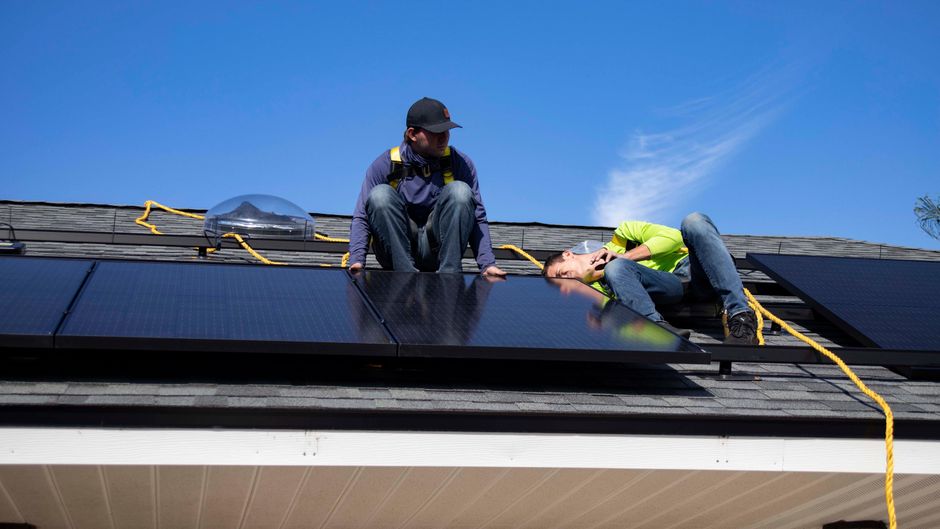
The federal Investment Tax Credit currently covers 30% of your solar installation, dramatically lowering your upfront investment and accelerating your payback period. Many states, counties, and utilities offer additional rebates and incentives. A $25,000 system becomes $17,500 after the federal credit alone—meaning you recoup costs faster and start banking pure savings sooner than you'd expect.
Advertisement
#7: Increased Home Value and Resale Appeal

Homes with solar panels sell faster and at higher prices—studies show an average premium of 3-4%. Buyers see installed solar as a finished energy-efficiency upgrade, not a DIY gamble. Your future buyer inherits predictable, low energy costs, making your property more attractive in a competitive market. That financial benefit compounds the lifetime value far beyond just monthly bill reductions.
Energy rates are accelerating upward, and the window to lock in savings keeps shrinking. Solar panels offer a practical, long-term solution that cuts bills immediately while protecting you from future price shocks.
Advertisement