
Your electricity bill keeps climbing, but what if the solution was literally on your roof? Solar panels have become smarter and more affordable than ever, and they work in ways many homeowners haven't discovered yet. Here's what you need to know to take control of your energy costs.
#1: They Generate Power Even on Cloudy Days

You might think solar panels only work in bright sunshine, but that's a common misconception. Modern panels capture diffuse light and still produce electricity on overcast days—though at a reduced rate. For example, a homeowner in Seattle can still generate 25–40% of their typical output on gray days. This means you're collecting energy year-round, not just during summer months. It's one reason why even northern climates see real savings.
#2: Net Metering Lets You Bank Extra Energy

When your panels generate more electricity than you use, that surplus power flows back to the grid—and many utilities credit you for it. This is called net metering, and it's like having a battery in your electricity account. On a sunny day in June, you might produce triple your consumption; that credit rolls over and reduces your winter bill when production is lower. Not all states offer net metering, but in those that do, it dramatically accelerates your payback period.
#3: The 30% Federal Tax Credit Dramatically Lowers Upfront Costs

The Investment Tax Credit (ITC) allows you to deduct 30% of your installation costs directly from your federal taxes. If your system costs $25,000, that's $7,500 back in your pocket. This isn't a rebate—it's a dollar-for-dollar tax reduction. The credit has been extended through 2032, so you have a solid window to invest. Combined with state and local incentives, your true out-of-pocket cost can be cut nearly in half.
Advertisement
#4: Battery Storage Maximizes Savings During Peak Hours

Adding a battery like a Tesla Powerwall or Generac PWRcell stores excess daytime solar energy for use at night or during peak-rate hours. Many utilities charge premium rates between 4–9 PM when demand spikes. With battery backup, you discharge stored power during those expensive windows instead of buying grid electricity at inflated prices. A single battery unit can add $8,000–$15,000 to your system cost but can pay for itself through peak-rate arbitrage within 7–10 years.
#5: Your Roof's Age Matters More Than You Think

Before installing panels, contractors assess your roof's condition—and this is the sleeper factor many homeowners overlook. If your roof is nearing the end of its lifespan, you'll want to replace it first; solar panels last 25–30 years, and re-roofing under them is costly and disruptive. A newer roof also maximizes the time your panels can operate efficiently. Some installers bundle roof repairs into financing, which spreads the cost over the solar loan term.
#6: Solar Increases Your Home's Resale Value
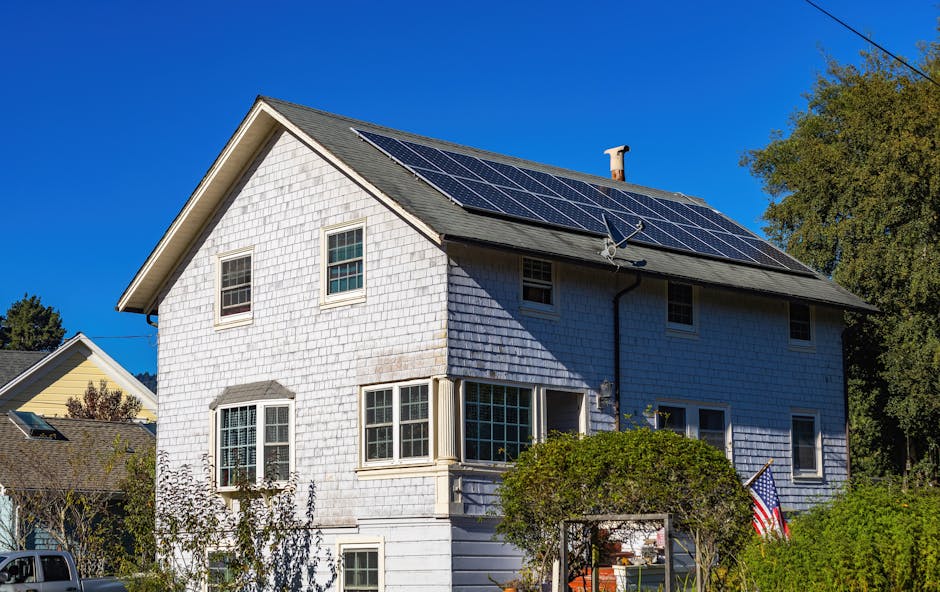
Homes with solar systems sell for roughly 4% more than comparable homes without them, according to recent market data. Buyers see them as a luxury upgrade that reduces operating costs immediately. The appeal is especially strong in states with high electricity rates, where the payoff is fastest. Even if you move before the system fully pays for itself, you recoup much of your investment through the sale price—making it both an energy and wealth-building move.
Advertisement
#7: Financing Options Make Installation Affordable Right Now

You don't need $20,000 in savings to go solar. Solar loans, leases, and power purchase agreements (PPAs) let you install panels with little to no money down. A solar loan works like a mortgage: you own the system and keep all tax credits and savings. Leases and PPAs mean a company owns the panels and you pay a monthly fee—lower upfront costs but fewer financial benefits. Most homeowners break even in 7–12 years regardless of which option they choose.
#8: Monitoring Apps Show Your Savings in Real Time
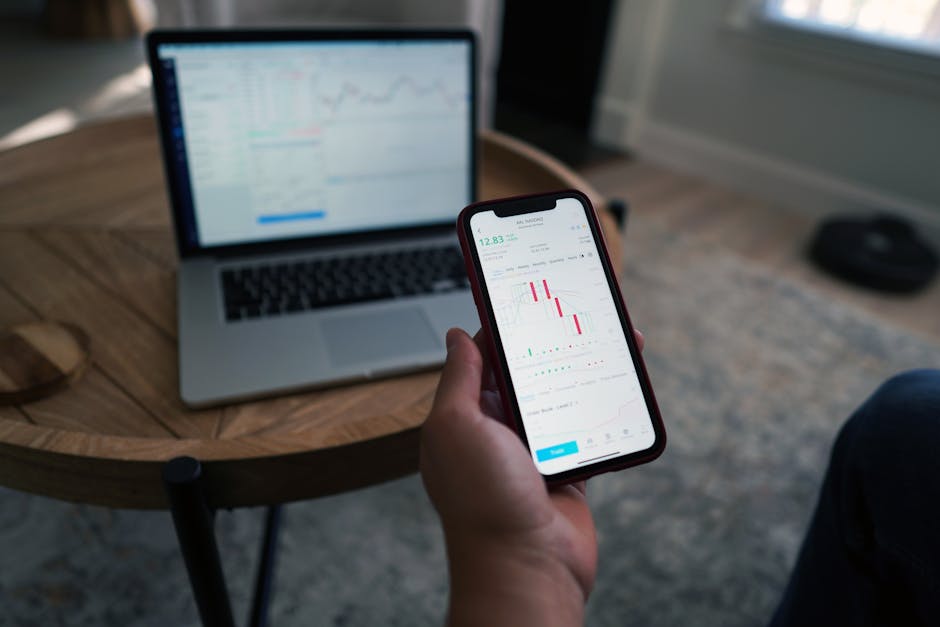
Modern solar systems come with mobile apps that track your energy production minute by minute. You can watch your panels generate power on sunny days and see exactly how much you're saving. One homeowner in Colorado used her app to notice production dropped 15% after a dust storm—she cleaned the panels and immediately saw output spike back up. This real-time feedback turns energy savings into something tangible and motivating.
Solar panels are no longer a luxury—they're a practical way to reclaim control over your utility bills. With federal incentives, flexible financing, and proven payback periods, the real question isn't whether you can afford solar; it's whether you can afford to wait.