
You've probably wondered why a single luxury fashion item can drain your bank account faster than a vacation. The truth isn't just about the logo—there's a whole world of hidden costs, craftsmanship, and strategic scarcity that explains why high-end fashion commands such jaw-dropping prices.
#1: Artisan Craftsmanship Takes Months
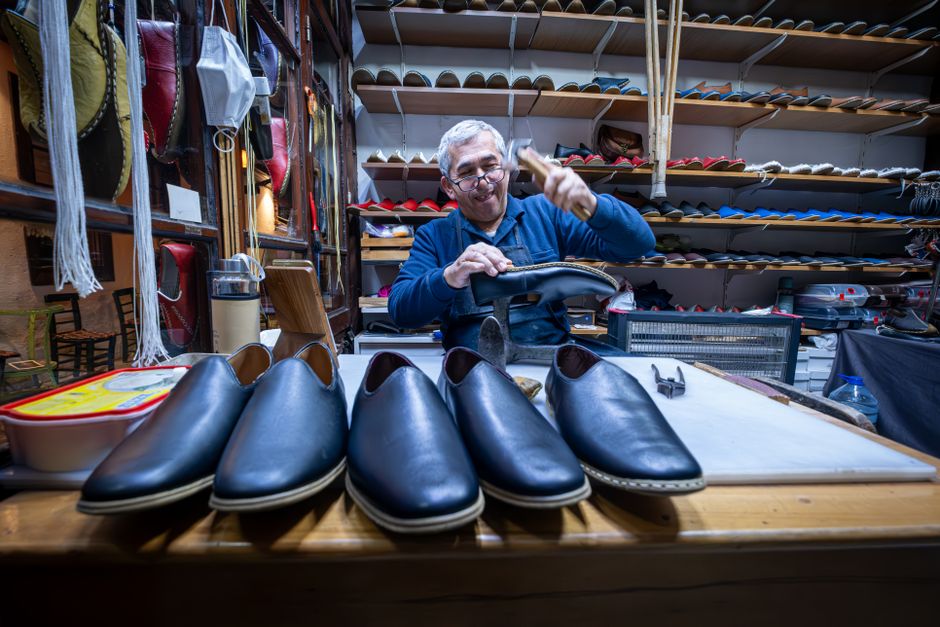
You're not just buying a product; you're paying for human skill honed over decades. A Hermès Birkin bag, for example, requires roughly 18 hours of hand-stitching by a single artisan. These craftspeople undergo years of apprenticeship and earn premium wages because they're irreplaceable. Every stitch, every edge finish, every leather treatment is deliberate and meticulous—work that simply can't be rushed or automated without compromising quality.
#2: Materials Are Sourced From Rare Origins
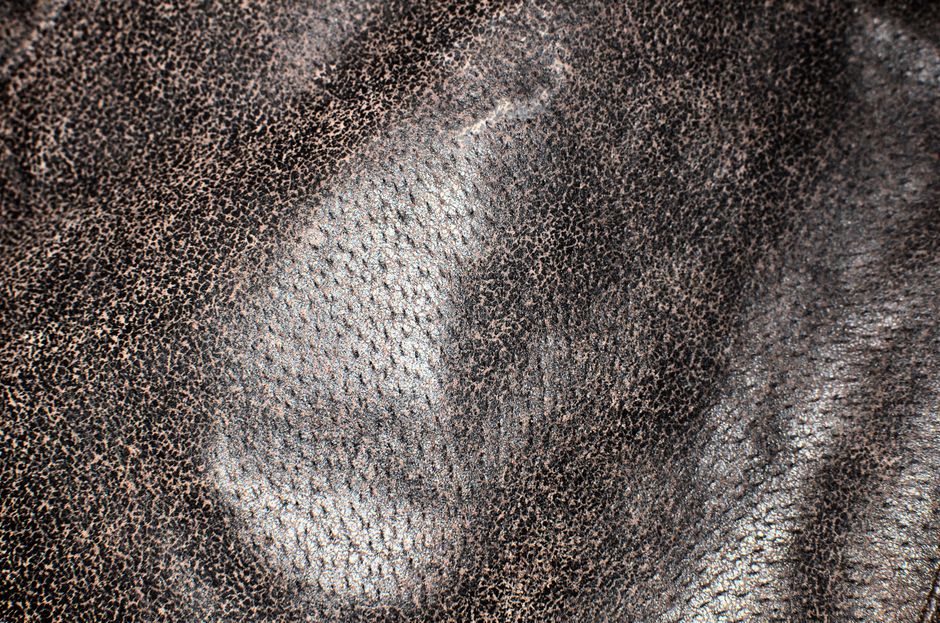
Luxury brands hunt down the finest raw materials from across the globe, and that exclusivity costs real money. Take Chanel's No. 5 perfume—it contains Bulgarian rose absolute that's harvested for just a few weeks yearly in a specific region. When you're competing with other luxury houses for limited supplies of premium leather, exotic skins, or rare fabrics, prices skyrocket. You're literally paying a premium because only the best materials will do.
#3: Brand Heritage Commands a Premium

You're paying for a century or more of reputation and cultural cachet. Louis Vuitton's trunk-making legacy dating back to 1854 isn't just trivia—it's baked into every price tag. Brands like Dior, Gucci, and Prada have spent fortunes building their image through decades of celebrity endorsements, fashion shows, and cultural moments. That brand equity means you're not buying a garment; you're buying into a narrative of exclusivity and prestige.
#4: Vertical Integration Keeps Costs High

Most luxury fashion houses own their entire supply chain—from leather tanneries to retail stores. This vertical control means no outsourcing to cheaper manufacturers, which sounds inefficient but actually ensures quality. LVMH, for instance, owns facilities across continents. You're paying for that end-to-end ownership because it guarantees consistency, prevents counterfeiting, and maintains strict labor standards that mass-market brands skip over entirely.
#5: Limited Production Artificially Restricts Supply

Ever notice how luxury brands rarely discount their products? That's intentional scarcity at work. Brands like Rolex deliberately underproduce watches, creating waiting lists that can stretch years. By keeping supply tight, they keep prices elevated and demand fever-hot. You can't get what you want when you want it—and that friction, counterintuitively, makes people want it more. Scarcity is a pricing strategy masquerading as exclusivity.
#6: Retail Theater and Experience Cost Money

Walk into a flagship Gucci or Saint Laurent store, and you're not just shopping—you're being transported. Those marble floors, custom lighting, and one-on-one personal shoppers? They're part of the price. Luxury retail real estate in places like Milan, Paris, and Manhattan costs tens of millions annually. The brand invests heavily in creating an aspirational environment because the shopping experience itself is part of the product you're buying.
#7: Marketing and Celebrity Partnerships Dominate Budgets
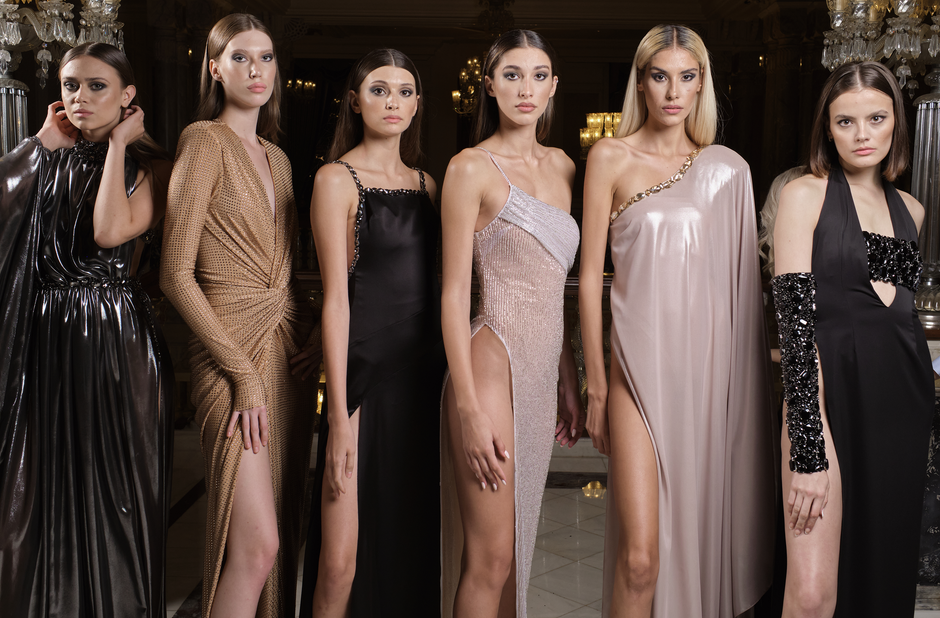
You think a Dior campaign shot by a world-renowned photographer costs the same as a department store ad? Think again. Luxury brands spend astronomically on fashion shows (Paris Fashion Week presentations can exceed $5 million), celebrity endorsements, and global advertising campaigns. When you see a luxury product worn by an A-list star, that placement probably cost millions. Those marketing expenses trickle directly into the price you pay.
#8: Exclusivity Justifies Premium Pricing Psychology

Luxury brands understand that you're not shopping for function—you're shopping for identity. A $15,000 Prada coat keeps you warm exactly as well as a $150 coat, but it signals something entirely different about who you are. Brands leverage this psychological pull ruthlessly. They price high precisely because high prices signal desirability, taste, and access to a club most people can't join. The price itself becomes the marketing message.
Next time you balk at a luxury price tag, remember: you're not just paying for fabric or leather—you're paying for heritage, craftsmanship, scarcity, and the cultural capital those brands have spent decades building. That doesn't make it affordable, but it does explain why it costs what it does.