
Buying a house is likely the biggest financial decision you’ll ever make—and one overlooked detail can cost you tens of thousands. Most buyers focus on what they see, but the hidden problems lurking beneath the surface are what destroy your investment. Here are the 15 critical things you need to inspect before you sign on the dotted line.
#1: Foundation Cracks and Settling

The foundation is your home’s skeleton, and cracks aren’t always cosmetic. You’ll want to look for horizontal cracks, which signal serious structural stress—these are red flags that demand professional evaluation. Vertical cracks can be normal, but anything wider than 1/4 inch or ones that zigzag across the concrete warrant concern. Don’t let a seller dismiss them. Get a structural engineer’s opinion before proceeding.
#2: Roof Age and Condition
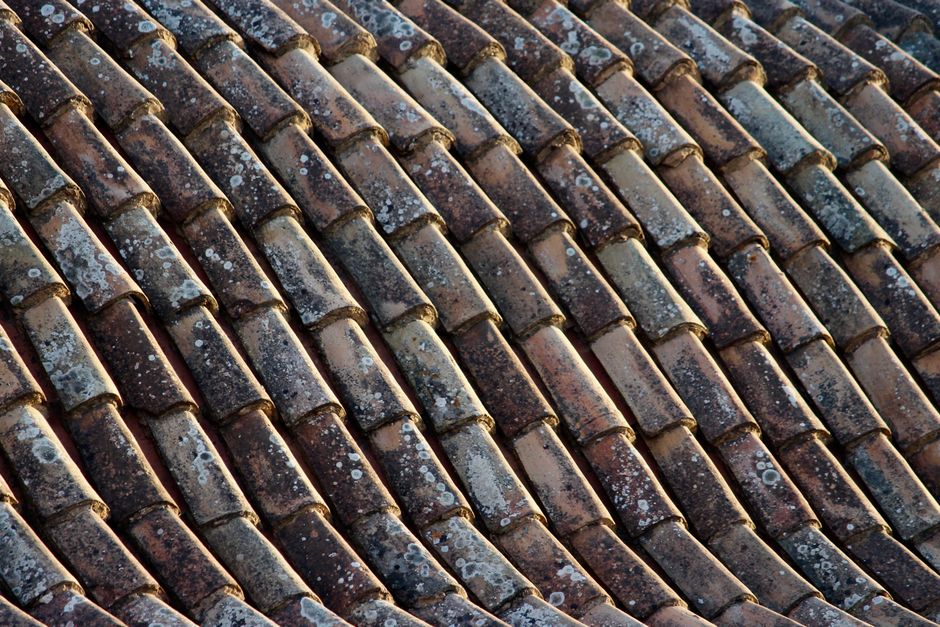
A new roof can run $15,000–$25,000, so you need to know what you’re inheriting. Ask the seller for roofing records and check the shingles yourself—look for curling, missing pieces, or dark streaks indicating moss or algae. If the roof is over 20 years old, budget for replacement soon. Walk the attic and look for water stains or daylight peeking through. Don’t assume the roof will last just because it looks okay from the street.
#3: Water Damage and Mold

Water damage hides everywhere: behind walls, under flooring, and in crawlspaces. Check for soft spots in drywall, discoloration on ceilings, or musty odors in basements and bathrooms. Mold is insidious and expensive to remediate—sometimes costing $10,000 or more. Look at grout lines, caulk around tubs, and window sills where moisture collects. If you spot even a small patch, hire a mold inspector before closing. Your health and wallet depend on it.
#4: Electrical System Safety

An outdated electrical system can’t handle modern appliances and creates fire hazards. Check if the panel has enough circuits, and ask whether the house still uses aluminum wiring—a known fire risk. Test outlets in every room to ensure they’re grounded. If the home predates 1960s electrical codes, have a licensed electrician inspect the entire system. Upgrading a panel or rewiring can easily exceed $5,000, so factor this into your offer.
#5: Plumbing Age and Leaks
Copper and PVC pipes last 50–70 years, but older galvanized steel corrodes and fails. Ask the seller about the plumbing material and when it was last replaced. Look for slow drains, low water pressure, or discolored water—all signs of trouble. Check under sinks for stains or active leaks. Don’t ignore minor drips; they indicate larger problems ahead. Full replumbing a house can cost $10,000–$30,000, so this matters significantly to your bottom line.
#6: HVAC System Functionality

Your heating and cooling system is critical for comfort and health. Ask when it was installed and get maintenance records. Turn on the AC and heat to ensure both work properly. Listen for odd noises, and check that air flows evenly throughout the house. An aging furnace or air conditioner replacement runs $5,000–$15,000. If the system is over 15 years old, plan for replacement soon. Don’t skip the HVAC inspection—it’s one of the most important systems in the home.
#7: Insulation and Energy Efficiency
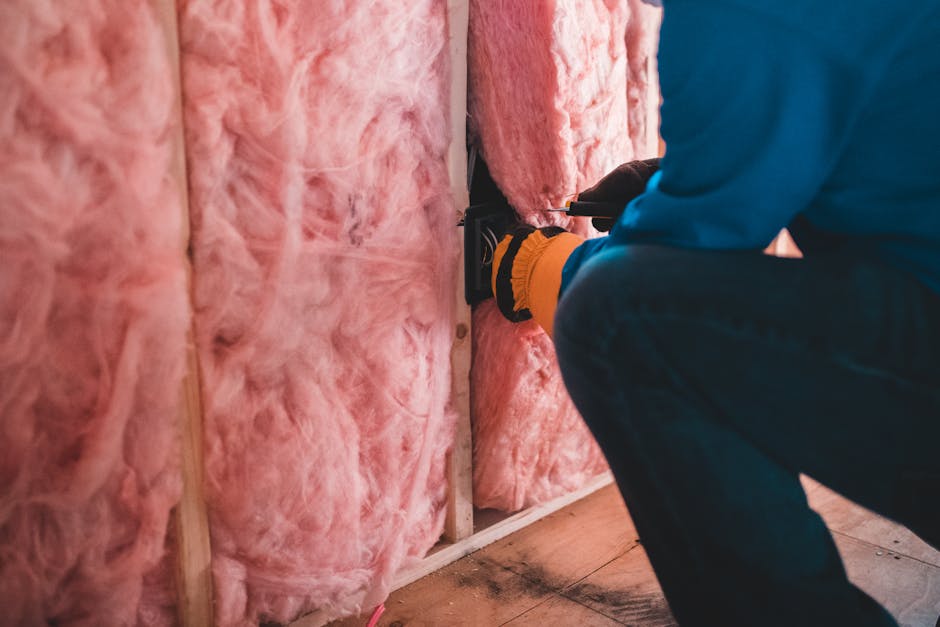
Poor insulation means sky-high heating and cooling bills year after year. Check the attic for adequate insulation depth—it should be at least 12 inches in most climates. Feel for drafts around windows and doors. Ask about wall insulation, especially if the house was built before energy codes tightened. Adding insulation can cost $1,500–$3,000 but saves you hundreds annually. An energy audit will reveal exactly where your money is leaking out.
#8: Window and Door Condition

Single-pane windows are energy drains, and rotting frames spell water damage. Check for condensation between panes, sticky sashes, or frames that are soft to the touch. Replace a full set of windows can cost $10,000–$20,000, so understand what you’re getting. Test each window and door to ensure they open, close, and lock smoothly. Look for caulk separation and visible daylight around frames. Don’t overlook this—it directly impacts heating and cooling costs.
#9: Pest Infestation Signs

Termites, carpenter ants, and rodents can cause structural damage worth thousands. Look for mud tubes near the foundation, wood shavings, droppings, or entry holes. Check crawlspaces and basements carefully. A professional pest inspection costs $100–$200 but can save you from inheriting a nightmare. Don’t rely on your eyes alone—pests hide. If you spot any evidence, hire a licensed exterminator for a full assessment before closing.
#10: Basement Moisture and Drainage
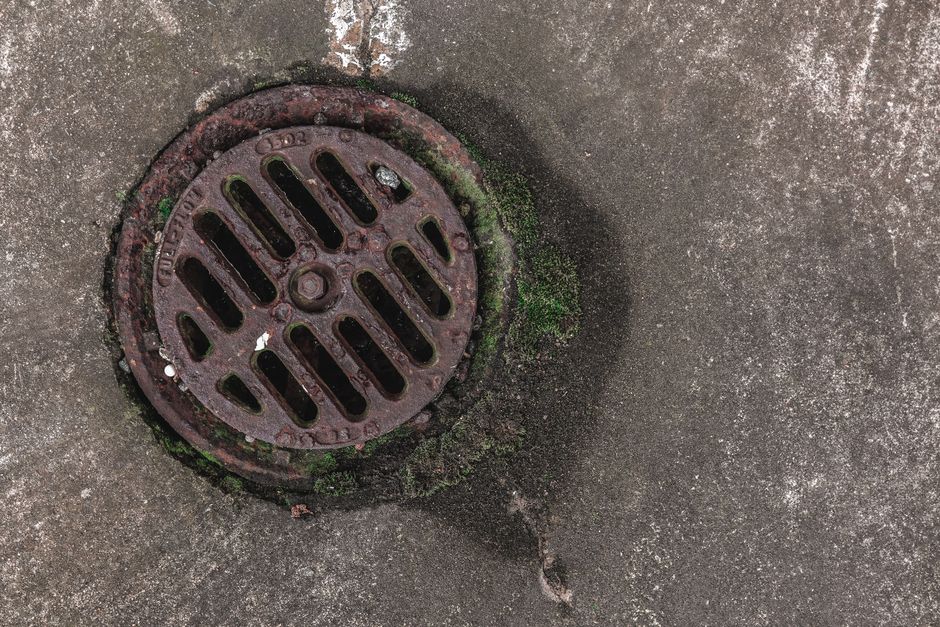
A wet basement becomes an expensive problem fast. Look for efflorescence (white powder on concrete), rust stains on metal, or a damp smell. Check gutters and downspouts—water should drain at least 4 feet away from the foundation. Ask if the basement floods during heavy rains. Installing proper drainage or a sump pump costs $2,000–$6,000. Make sure grading slopes away from the house. Never buy a home with ongoing water intrusion without a clear mitigation plan.
#11: Septic System (If Applicable)

If the property uses a septic system instead of city sewer, you need to understand its condition. Ask when it was last pumped and inspected. A failing septic system can cost $5,000–$25,000 to replace and is a nightmare to deal with. You’ll need a professional inspection—don’t skip this step. Find out the size of the drain field and whether trees or structures are encroaching on it. Septic problems are slow-burning disasters that compound over time.
#12: Attic Ventilation and Heat

Improper attic ventilation causes shingles to prematurely age and leads to moisture buildup. Check that vents aren’t blocked by insulation or debris. Feel the temperature difference between the attic and outside—excessive heat accelerates deterioration. Look for signs of moisture damage or black mold on rafters. Proper ventilation prevents costly roof failures and extends the life of your home’s entire envelope. This is often overlooked but has enormous long-term implications.
#13: Exterior Cladding and Siding

Rotting wood siding, damaged vinyl, or failing stucco allows water into the walls. Walk the perimeter and look for soft spots, gaps, or paint peeling. Check flashing around chimneys, skylights, and vents—this is where water sneaks in. Gaps and cracks are open invitations for water damage and pest entry. Replacing siding can cost $8,000–$25,000 depending on material and square footage. Don’t minimize exterior issues—they’re among the first places water attacks.
#14: Grading and Drainage Around the Property

Water should slope away from your house on all sides, yet many properties are graded incorrectly. Stand in the yard after rain and watch where water flows. Low spots near the foundation channel water toward your home—a recipe for disaster. Poor drainage leads to foundation problems, basement flooding, and landscape erosion. If grading is wrong, correcting it costs $1,000–$5,000 and involves moving soil. Check this early; it’s an invisible but critical issue.
#15: Previous Damage and Insurance History

Ask the seller if the house has ever had major damage from fire, flood, or other events. Request the insurance history and any claims. Some neighborhoods have repeat flooding or fire zones, which affects your rates and resale value. Check public records for damage claims and permits. A house with a troubled past may carry hidden problems or insurance red flags. You can also pull a CLUE report (insurance loss history) to see what insurers know. Don’t assume everything is fine just because repairs were made.
Taking time to thoroughly inspect these 15 areas before buying will save you from devastating surprises and enormous expenses down the road. A thorough home inspection is your best defense against costly mistakes.